Overview of Singer Sewing Manuals
Singer sewing manuals provide essential guidance for threading, tension, and stitch selection across all models. They detail maintenance routines, lubrication points, and parts diagrams for repair. Collectors prize original editions for authentic vintage restoration projects. Digital archives now supply free PDF downloads globally for all models today now!..
Historical Evolution of Singer Instruction Books
Early Singer manuals emerged as simple folded pamphlets accompanying the first vibrating shuttle machines in the 1850s, offering basic threading diagrams and oil instructions printed on very thin onionskin paper stock. By the 1880s, the iconic “Red Book” (Form 1917) standardized operations across vibrating shuttle and transverse shuttle models, featuring detailed engravings of mechanical movements and extensive comprehensive parts lists for dealer repairs. The 1910 introduction of the Class 66 and 99 machines prompted the “Green Series” manuals, distinguished by distinctive color-coded covers for specific model families and expanded sections on attachments like rufflers, hemstitchers, and buttonholers. Mid-century electric models (15-91, 201, 301) saw manuals evolve into saddle-stitched booklets with photographic illustrations and troubleshooting charts for motor and lighting circuits, often including wiring diagrams. The 1970s Touchtronic and Futura lines introduced spiral-bound volumes with schematic diagrams for circuit boards, reflecting increasing electronic complexity and microprocessor control. The 1990s briefly utilized CD-ROM supplements for advanced embroidery units before internet archives like ISMACS became primary repositories for obsolete literature, preserving scanned originals for collector restoration projects and ensuring perpetual access to vintage technical specifications globally. Contemporary manuals are predominantly digital, multilingual PDFs accessible via QR codes on machine bodies, yet retain the core structural legacy of step-by-step visual guidance established over 170 years of continuous publication history and global distribution networks worldwide right now today!..
Key Differences Between Vintage and Modern Manuals
Vintage Singer manuals (pre-1970) feature heavy coated paper, staple bindings, and intricate line engravings detailing every gear, cam, and lever. They provide comprehensive attachment tutorials for rufflers, binders, buttonholers, and tuckers, assuming high user mechanical competence. Detailed wiring diagrams for original vintage motors, knee controls, and light fixtures are standard inclusions.
Modern manuals utilize thin glossy stock, perfect binding, and color photography with simplified icons. Content prioritizes computerized navigation, LCD menus, error codes, and multi-language safety warnings over mechanical theory. Attachment sections are minimal, often referencing separate accessory guides. Circuit board schematics replace motor wiring diagrams entirely.
- Illustration Style: Hand-drawn technical cross-sections vs. digital lifestyle photos.
- Mechanical Depth: Full disassembly, timing, and hook adjustment guides vs. basic cleaning only.
- Language Approach: Single-language technical English vs. 20+ condensed translations.
- Model Scope: Individual model precision vs. broad series-generic coverage.
- Reference Data: Extensive comprehensive oiling charts and parts lists vs. minimal maintenance icons.
Collectors prize truly originals for historical authenticity and restoration accuracy; daily users often prefer searchable digital reprints for immediate clarity and very high resolution zoomable diagrams offline.

Locating Original and Reproduction Manuals
Source original manuals via eBay, ISMACS, or Singer’s site. Reproductions offer cost-effective spiral-bound copies for heavy use. Match model numbers precisely to avoid errors. Digital PDF collections provide free immediate access for restoration or routine maintenance tasks globally right now.
Identifying Model Numbers for Accurate Manual Matching
Locating the correct model number is essential for obtaining the precise instruction manual matching your specific Singer sewing machine. Unlike serial numbers which merely indicate production date and factory location, the model number defines the exact mechanical class, feature set, and compatible attachments. Typically, a two-part alphanumeric code appears on a metal identification plate or badge affixed to the machine bed, front pillar, motor housing, or underside of the base. Early treadle and vintage electric models like the Class 15, 66, 99, 127, 128, and 201 often display a simple class number followed by a dash and variant suffix, such as 15-91, 66-16, or 99K, denoting electric motor conversion, cabinet mounting style, or geographic manufacturing origin like Kilbowie, Scotland (K) or St; John’s, Quebec (J).
Mid-century slant-needle machines including the 301, 306, 401, 403, 500A (Rocketeer), and 600 series feature model plates on the front lower arm, beneath the stitch selector panel, or near the light socket. Later Touch & Sew models like the 700 series often conceal the plate behind the bobbin winding door or on the bottom base plate. Always distinguish the Model Number from the Serial Number prefix (e.g., AA, AB, NA, NB, J, JA, BY) which only dates the unit. Record the full alphanumeric string exactly, including dashes, letters, and suffixes like -1 or -2 indicating sub-variations, to search databases effectively. Cross-reference this identifier with official parts lists or Singer Company’s historical registers to confirm the correct manual edition before downloading or purchasing reproductions. Verifying the suffix ensures compatibility with specialized feet, cams, and buttonhole attachments documented only in that exact manual version now today .
Sources for Purchasing or Downloading Authentic Copies
Locate authentic manuals using the model number plate. The official Singer website provides free PDF downloads for modern machines and select vintage classics. The ISMACS organization offers a free archive for pre-1980 models. Commercial platforms eBay and Etsy sell original paper booklets; verify edition dates. Specialized dealers like Sew Classic produce spiral-bound reproductions. ManualsLib aggregates scans for instant download access. Facebook groups for Featherweight owners share rare adjustment pages. Always check seller feedback before buying physical copies to avoid poor prints. Check multiple sources for the best quality scan or print now.
- Singer.com Support: Enter model number for direct PDF access.
- ISMACS Database: Free library for antique machines with attachment guides.
- eBay & Etsy: Filter by model; request copyright photos for authenticity.
- Reproduction Dealers: Sew Classic, Jenny’s Studio offer comb-bound copies on 24lb paper.
- ManualsLib / Online: Community rated scans ensure clarity; search by model prefix.
- Facebook Communities: Featherweight 221 groups share proprietary adjustment guides.
- Local Vintage Shops: Repair stores stock original manuals for common models like 15-91.
- University Archives: Collections digitize historical trade literature for research.
Prioritize PDF downloads for urgent repairs; invest in original booklets for long-term collector value preservation. Physical copies remain essential for detailed parts diagrams during restoration projects..

Understanding Manual Structure and Content
Manuals open with safety and ID pages. Sections cover essential setup, operation basics, and stitch guides. Clear diagrams show threading paths and parts assemblies. Appendices list specs, accessories, and comprehensive troubleshooting charts for very quick reference during sewing tasks right now!
Standard Sections: Threading, Tension, and Stitch Selection
Every Singer instruction book dedicates significant pages to comprehensive fundamental operations ensuring stitch formation. Threading section illustrates precise upper thread paths from spool pin through tension discs, take-up lever, and needle eye, alongside bobbin winding and insertion diagrams for both top-drop front-loading systems. Clear illustrations prevent common errors like missed guides causing thread breaks or looping underneath fabric layers during sewing sessions.
Tension adjustment chapters explain precise balance between upper and lower thread tensions using numbered dials or thumb screws. Manuals define correct tension as threads locking in fabric center, providing troubleshooting charts for puckering, loose loops, or thread snapping. Detailed instructions cover detailed bobbin case tension spring regulation for specialized threads like elastic or heavy topstitching varieties requiring finer calibration.
Stitch selection guides vary by model era; vintage books detail cam stack installation for decorative patterns while modern editions explain electronic menu navigation and stitch width/length customization. Buttonhole procedures receive dedicated spreads covering automatic sensor systems versus manual four-step dial methods. These sections empower users to maximize machine versatility across garment construction and various decor projects effectively today.
Specialized Attachments and Accessory Instructions
Singer manuals provide essential comprehensive guidance for specialized attachments that expand machine functionality beyond basic stitching for garment construction and decorative work. The buttonholer, a gear-driven unit for historical vintage models like the 201 or 301, includes diagrams for stitch length and precise cut width calibration. Rufflers and gatherers require specific depth and spacing settings detailed in accessory supplements. Hemmers (rolled, wide, adjustable) illustrate various fabric feeding techniques to prevent jamming, while binders offer tension charts for smooth bias tape application. Cording feet, zipper feet, and quilting guides are standard inclusions.
Manuals for slant-needle models (401, 500 series) detail fashion discs controlling zigzag patterns; Touch & Sew guides explain integrated buttonhole cams. Featherweight 221 manuals list low-shank feet: edge stitcher, darning foot, and tuck marker. Later snap-on systems (post-1965) use adapter shanks for seamless backward compatibility. Specialty catalogs (Form 1940) illustrate embroidery hoops and bias binders with part numbers. Understanding shank height (high, low, slant) is critical; manuals provide detailed measurement diagrams ensuring accurate fit. Modern reprints often omit these sections, making original supplements vital for full mechanical restoration capability.
Using Manuals for Maintenance and Repair
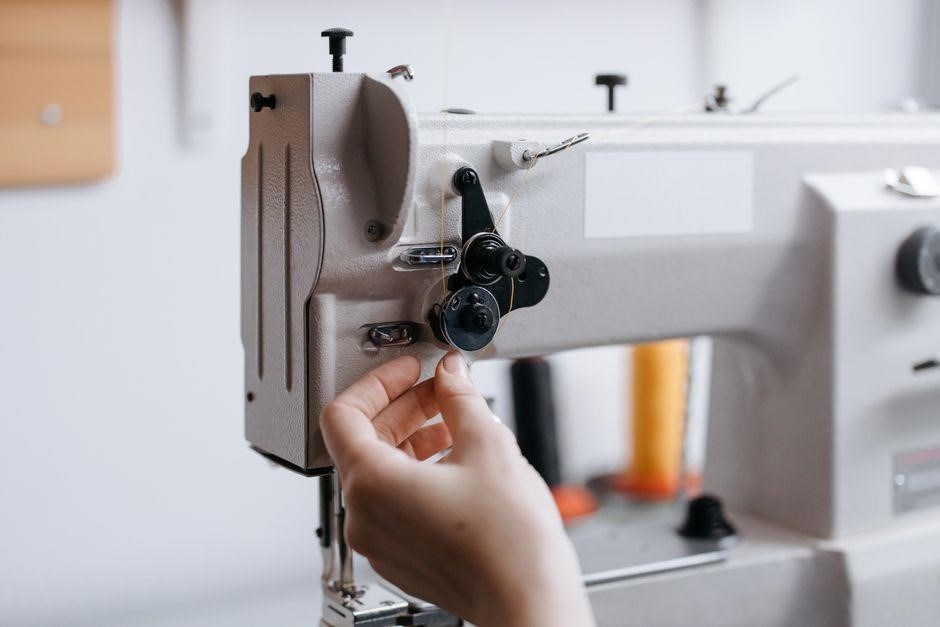
Manuals detail proper lubrication of gears and shafts using correct oil grades. Clean all lint from bobbin cases to avoid thread jams effectively. Troubleshooting sections identify skipped stitches, tension errors, and motor hums. Diagrams clearly show disassembly for part swaps and timing adjustments now.

Routine Lubrication and Cleaning Procedures

Singer instruction books dedicate extensive sections to routine lubrication and cleaning, recognizing that friction and lint accumulation are primary causes of mechanical failure. For vintage straight-stitch models such as the 15-91, 66, or 201, the manual illustrates numerous oil ports on the arm, bed, and hook saddle requiring daily application of Singer-branded or equivalent high-quality clear sewing machine oil; red-painted indicators guide the user. Zigzag models like the 401A or 500A add gear-case lubrication points demanding specific Singer Lubriplate grease rather than oil to prevent slippage. Cleaning protocol mandates removing the throat plate, bobbin case, and presser foot to expose the feed dogs and rotating hook; a small stiff brush and lint-free cloth remove packed fiber dust. Tension discs are cleaned by sliding a folded cloth between them to clear wax buildup. Manuals warn against blowing compressed air into the mechanism as it drives grit into bearings. Motor bearings on external motors require annual oiling at felt wicks. The exterior finish benefits from a wipe with a slightly damp cloth followed by a dry buff; ammonia or alcohol cleaners damage vintage decals; Adhering to the prescribed schedule—daily for heavy production, weekly for home use—ensures quiet running, perfect stitch formation, and longevity exceeding a century. Regular attention prevents costly repairs and maintains collectible value over long time.

Troubleshooting Common Mechanical Issues
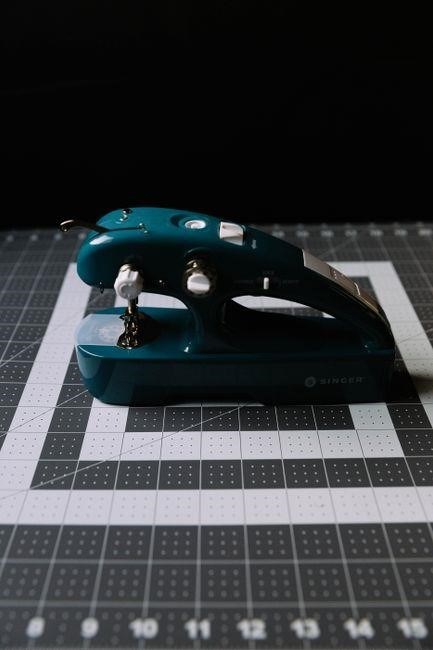
Singer manuals dedicate extensive chapters to diagnosing mechanical faults, empowering users to resolve problems without professional service calls. A primary focus involves thread breakage, often traced to incorrect threading paths, burred needle eyes, or excessive tension disc pressure. Skipped stitches typically indicate bent needles, improper needle-to-hook timing, or wrong needle systems for the fabric weight. Fabric feeding issues, such as uneven stitch length or material stalling, usually stem from worn feed dogs, incorrect presser foot pressure, or lint accumulation in the feed mechanism. The manuals provide step-by-step flowcharts for motor failures, covering carbon brush replacement, commutator cleaning, and foot controller continuity testing. Gear train noise or binding receives detailed exploded diagrams showing worm gear alignment and lubrication specifications. Bobbin case ejection or thread nesting underneath is addressed through hook race cleaning, bobbin tension spring adjustment, and case replacement criteria. Vintage manuals emphasize hand-wheel resistance checks for frozen linkages, while modern editions include electronic error code definitions for computerized models. Clear illustrations guide users through hook timing synchronization, a critical adjustment requiring precise needle bar height settings. Regular consultation prevents minor wear from escalating into major component damage, preserving machine longevity and stitch quality for decades of reliable operation. Charts correlate symptom codes with causes, reducing guesswork. Exploded views show gear train disassembly for worm gears. Wiring diagrams aid suppressor capacitor testing. Resources ensure adjustments maintain exact factory specs across all modern platforms.
Digital Archives and Community Resources
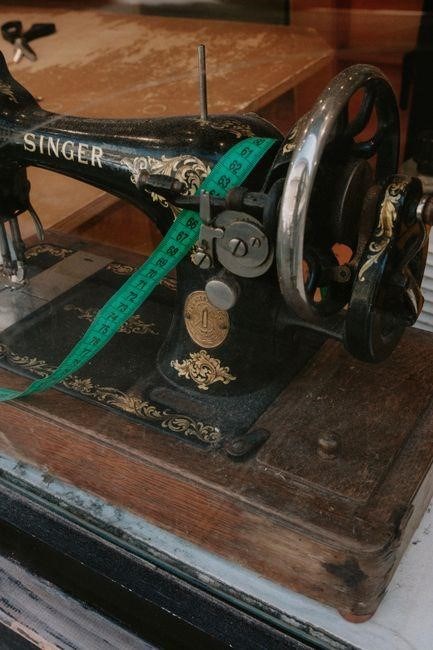
Vast digital archives offer free scanned manuals for every Singer model produced. Active communities share rare docs, solve problems, identify attachments. Enthusiasts collaborate globally to preserve rich sewing heritage via digitization. Visit sites for free PDF downloads and expert advice today.
Online Databases Offering Free PDF Downloads
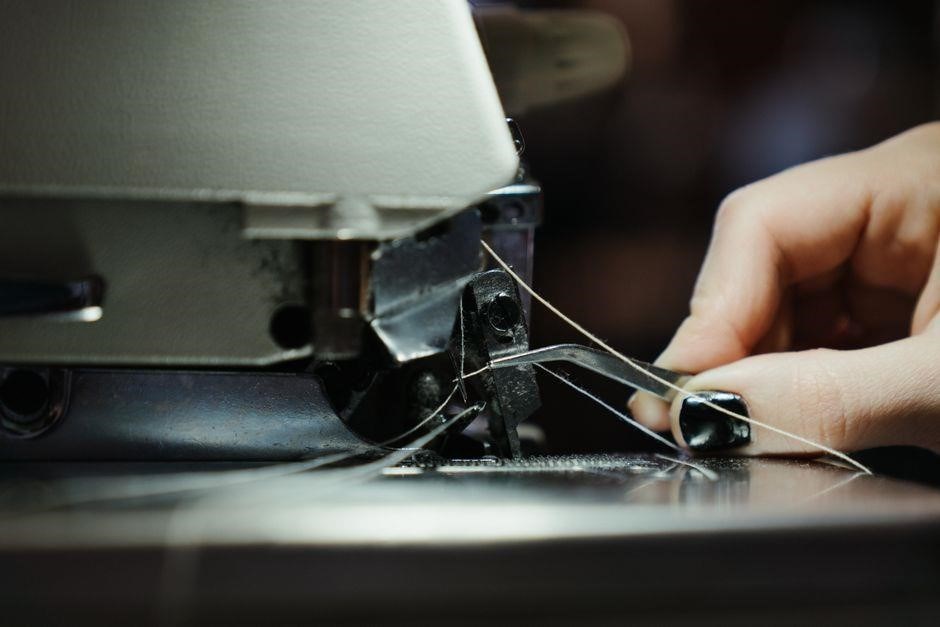
Several authoritative digital repositories host extensive libraries of Singer instruction books available for immediate free PDF download without registration. The International Sewing Machine Collectors’ Society (ISMACS) maintains a massive searchable database categorized by model number, manufacturing date, and factory location codes. Singer’s official consumer website provides a dedicated support section where users input model identifiers to retrieve authentic operator guides for both vintage and modern units. Internet Archive offers thousands of scanned original booklets contributed by libraries and private collectors worldwide, often including rare supplement sheets for specialized attachments and foreign language editions. Sandman Collectibles and Singer Featherweight specific sites curate high-resolution scans optimized for printing on standard letter paper sizes. ManualsLib and ManualsOnline aggregate user uploads covering industrial and domestic models alike with preview thumbnails. eBay listings frequently link to free digital copies hosted on personal blogs or cloud storage drives for prospective buyers. Always verify the file matches your exact serial prefix before printing to ensure accurate threading diagrams, tension settings, and bobbin winding illustrations. Consider downloading multiple versions to compare clarity and completeness of diagrams for complex mechanisms. Many vintage publications for the popular Model 66, Model 99, Model 201, and Model 15-91 reside in the public domain allowing unrestricted redistribution. Google Books and HathiTrust provide full-view scans with optical character recognition enabling text search across chapters. Dedicated enthusiasts operate GitHub repositories hosting curated collections sorted by class number for researchers today.
Forums and Groups for Manual Sharing and Advice
Online communities serve as vital hubs for Singer enthusiasts seeking obscure manuals or repair wisdom. The International Sewing Machine Collectors’ Society (ISMACS) forums host extensive databases where members share scans of rare instruction books for models like the 221 Featherweight or 66 Red Eye. Facebook groups dedicated to vintage Singer machines facilitate rapid peer support; users post photos of threading paths or tension assemblies to receive real-time guidance from experienced restorers. Reddit communities such as r/sewing and r/vintagesewing aggregate links to free PDF repositories and discuss sourcing reproduction manuals for discontinued industrial units. PatternReview forums often feature threads comparing original Singer publications against modern reprints, highlighting missing pages or corrected diagrams. Specialized Discord servers enable live troubleshooting sessions for gear replacement or motor wiring issues. Members frequently trade physical copies or digitize personal collections to preserve ephemeral paper documents. These networks transform isolated hobbyists into a collaborative archive, ensuring no model remains unsupported regardless of age or rarity. Additional resources include the Singer Featherweight Shop forum for parts cross-referencing and the Vintage Sewing Machine Forum for cabinet restoration advice. Multilingual members translate foreign-language manuals for global accessibility. Etiquette requires crediting sources when redistributing scanned files commercially. Collective knowledge bases grow daily through user contributions. Searchable archives prevent duplicate scanning efforts across the community right now!