ford focus user manual 2016: Overview and Key Features
The ford focus user manual 2016 offers a detailed guide, featuring a pre‑production model illustration, a comprehensive table of contents, and sections on safety, engine, and infotainment. It includes the End User License Agreement, type approvals, and warranty info. For full details, see PDF.!
Contents and Structure of the Manual
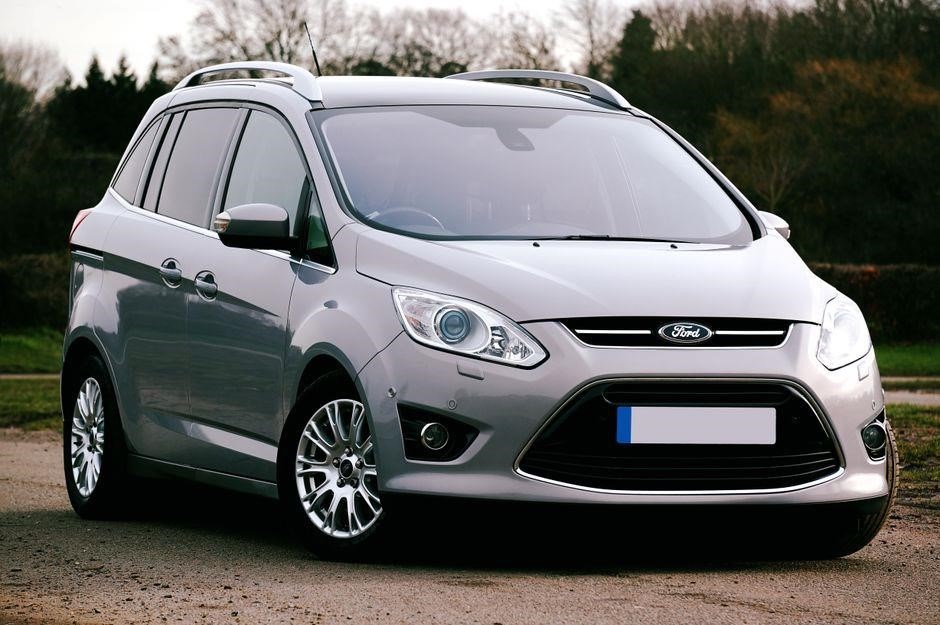
Important Safety Information
Before operating the vehicle, always fasten seat belts and ensure all passengers do the same. The 2016 Focus is equipped with dual‑airbag systems, including front and side airbags, which deploy automatically upon impact. Anti‑locking braking (ABS) and electronic stability control (ESC) help maintain traction during sudden stops or slippery conditions. The vehicle’s traction control system monitors wheel spin and adjusts engine output accordingly. Child safety is enhanced by ISOFIX anchor points for child seats and a child‑seat lock feature. The driver’s airbag deploys only when the seat belt is fastened; failure to do so may result in a reduced airbag effect. In case of a collision, keep the steering wheel centered and avoid sudden movements that could worsen injuries. The emergency brake should be released only after the vehicle has come to a complete stop. If the vehicle’s warning lights illuminate, refer to the quick‑reference guide and consult a certified Ford technician. Always keep the spare tire, jack and wheel‑wheel‑lock kit in the trunk. In emergencies, use the emergency call button located on the rear‑view mirror to contact roadside assistance. Follow the recommended tire pressure and tread depth guidelines to maintain optimal braking performance. The vehicle’s safety features are designed to protect occupants, but proper use and regular maintenance are essential for maximum effectiveness. Remember to check fluid levels regularly to ensure operation!!
Vehicle Overview and Features
The 2016 Ford Focus combines modern styling with practical functionality, offering a range of trim levels from the base S to the high‑performance ST and the eco‑friendly EcoBoost variants. Key features include a 2.0‑liter EcoBoost engine producing up to 250 horsepower, a 1.5‑liter EcoBoost with 180 horsepower, and a 2.0‑liter naturally aspirated engine for the base model. Standard safety equipment encompasses dual front airbags, side‑airbag curtains, a rear‑view camera, and a suite of driver‑assist technologies such as blind‑spot monitoring, lane‑departure warning, and adaptive cruise control on higher trims. The cabin is designed for ergonomics, with power‑adjustable seats, a tilt‑and‑telescoping steering wheel, and a comprehensive instrument cluster that displays speed, fuel economy, and maintenance alerts. The Focus also offers a range of convenience options, including keyless entry, push‑button start, and a rear‑view mirror with integrated LED lighting. Overall, the 2016 Focus presents a well‑rounded package that balances performance, safety, and everyday usability for a diverse range of drivers. Enjoy!
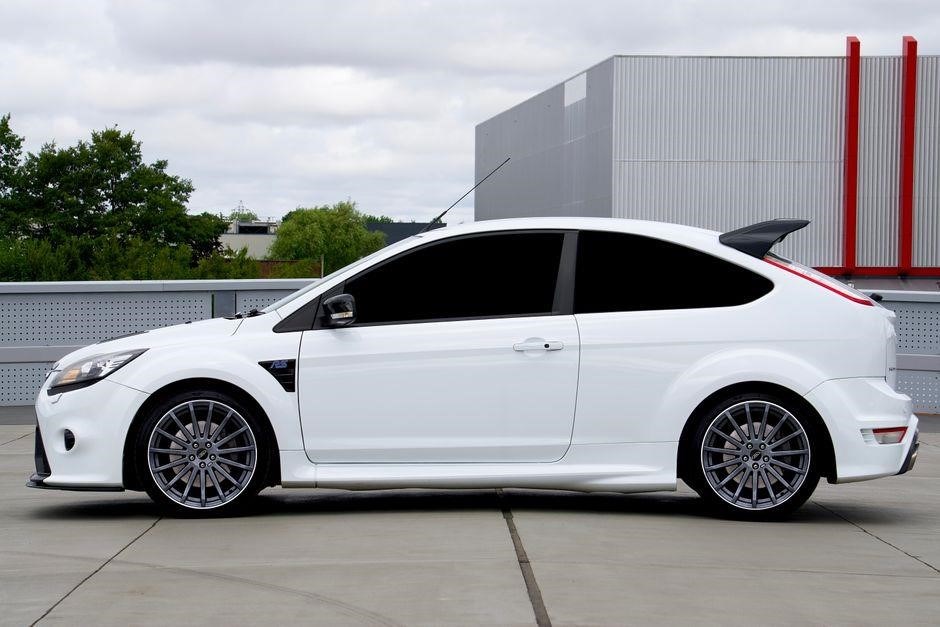
The vehicle’s exterior features LED daytime running lights, a chrome‑trimmed grille, and available alloy wheels ranging from 16‑inch to 18‑inch. The 2016 Focus also offers a range of optional packages such as the Premium Package, which adds heated front seats, a power liftgate, and a premium audio system, and the Technology Package, which upgrades the infotainment screen to 8‑inch with navigation. The Focus’s warranty includes a 3‑year/36‑month bumper‑to‑bumper coverage and a 5‑year/60‑000‑mile powertrain guarantee. All these features combine to make the 2016 Ford Focus a versatile choice for commuters, families, and performance enthusiasts alike.
Getting Started with Your Ford Focus
Before you drive, familiarize yourself with the 2016 Focus’s key features. Insert the key fob into the smart‑key slot or press the start button to power the vehicle. Adjust the driver’s seat to a comfortable position using the electric controls on the side of the seat. Set the mirrors by sliding the left and right mirrors forward or backward, then tilt them upward or downward. The steering wheel can be raised or lowered by pressing the button on the wheel’s left side. Check the instrument cluster for any warning lights; the manual explains each indicator’s meaning. If your Focus has a 7‑inch or 8‑inch infotainment display, press the “Menu” button to navigate to the settings and calibrate the GPS. For the EcoBoost models, review the fuel‑economy display to monitor consumption. Finally, ensure all doors, hood, and trunk are securely latched before you start driving. Follow the safety guidelines in the manual for a safe and enjoyable experience.
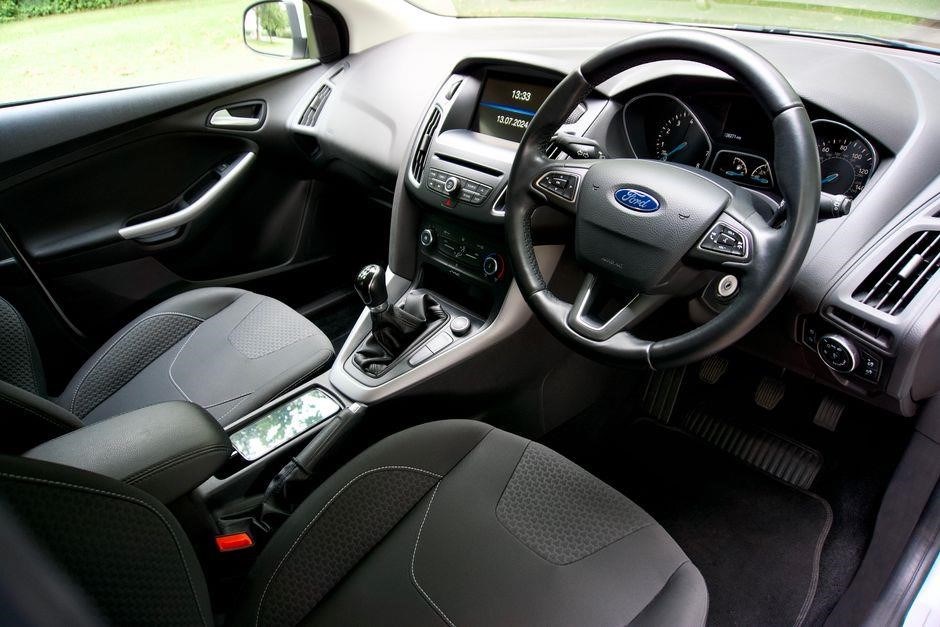
When you first start the vehicle, press the start button while the key fob is inside. The engine will crank and dashboard lights will illuminate. If the car has a push‑button start, depress the brake pedal before pressing the button. The 2016 Focus offers a “Start/Stop” feature that shuts off the engine when idling. To use EcoBoost, shift the selector to “Eco” mode. Remember to check the fuel gauge and tire pressure before each trip. The manual explains how to use the “Trip Computer” to view fuel economy and remaining range. Check it often. to stay safe!!
Operating Controls and Dashboard

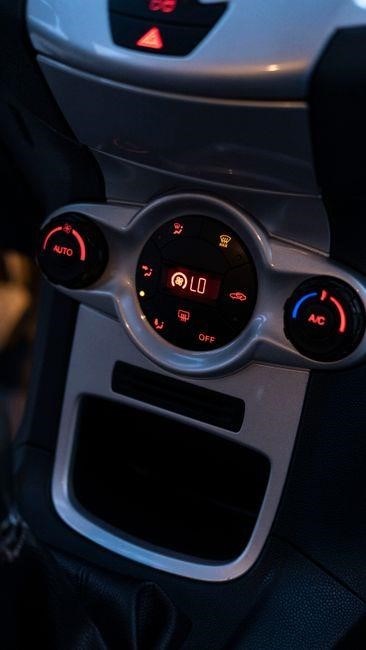
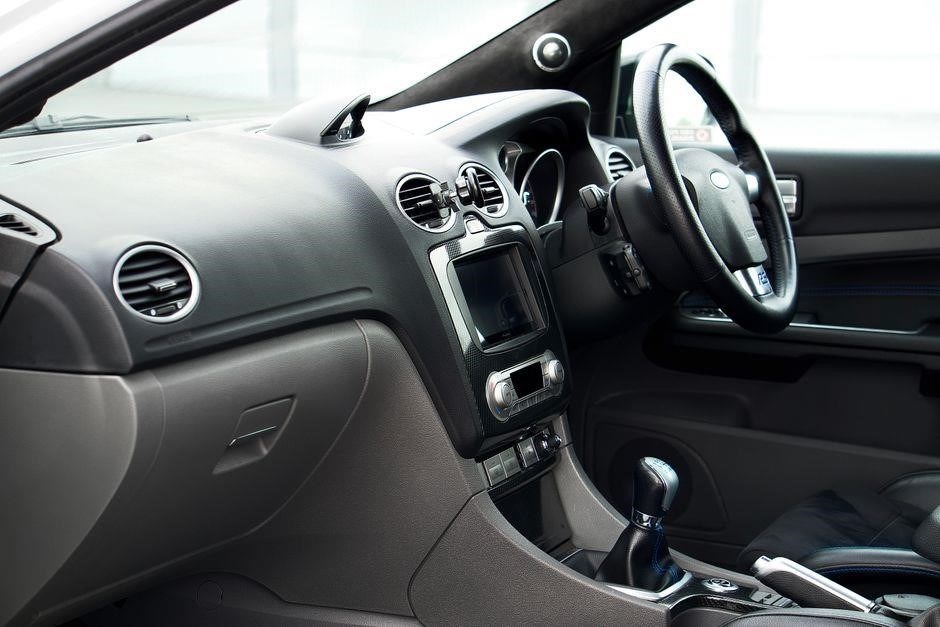
The 2016 Ford Focus features a driver‑centered cockpit that blends functionality with simplicity. The steering wheel houses a multifunction button panel: the left side controls the audio volume, the right side offers quick access to the climate controls, and the middle button toggles between the “Auto” and “Manual” modes for the driver assistance system. The gear selector is a standard H‑shaped lever located on the center console; for automatic models, the shift pattern is P‑R‑N‑D‑L, while manual versions include a clutch pedal and a 5‑speed gearbox. The instrument cluster displays speed, RPM, fuel level, and a digital clock. A dedicated “Trip” button cycles through trip distance, average fuel economy, and remaining range. The “Menu” button on the steering wheel opens the infotainment system, allowing navigation, Bluetooth pairing, and media selection. The dashboard also features a “Smart‑Key” indicator that lights up when the key fob is detected inside the vehicle, enabling key‑less entry and start. The 2016 Focus’s climate controls are accessed via a rotary dial on the center console, with separate temperature settings for the driver and passenger seats. The “Auto‑Climate” button automatically adjusts the temperature based on the outside conditions. The “Cruise Control” lever on the steering wheel lets drivers set and cancel speed, while the “Lane‑Keeping Assist” icon appears on the cluster when the system is active. All these controls are designed to provide a seamless driving experience while keeping safety at the forefront.
Additionally, the Focus’s rear‑view camera is activated by pressing the “Camera” button on the steering wheel, displaying the live feed on the infotainment screen. The “Parking Sensors” provide audible alerts that increase in frequency as the vehicle approaches an obstacle. The “Driver Information Display” (DID) shows real‑time data such as engine temperature, battery charge, and tire pressure. The “Headlights” switch is located on the left side of the steering wheel; the “High Beam” and “Low Beam” functions are controlled by a single lever. The “Fog Lights” are engaged by a separate button on the dash. For safety, the “Seat Belt” reminder chimes if the belt is unfastened when the car is in motion. The “Child Safety Lock” on the rear doors can be engaged by the key fob, preventing the doors from opening from the inside. All these features are integrated into the dashboard layout to ensure intuitive operation.
For drivers who prefer a more personalized experience, the Focus offers a “Driver Profile” setting that remembers seat position, mirror angle, and climate preferences. This profile is saved in the vehicle’s memory and can be selected from the “Settings” menu on the infotainment screen. The “Auto‑Lock” feature automatically locks the doors after a set period of inactivity, which can be adjusted in the settings. The “Keyless Entry” system allows the driver to unlock the doors by simply walking up to the vehicle with the key fob in hand; the doors will unlock when the fob’s signal is detected. The “Start/Stop” button, located on the steering wheel, automatically shuts off the engine when the car is stopped for more than 10 seconds, helping to conserve fuel. The “Eco‑Mode” can be engaged by pressing the “Eco” button on the gear selector, which adjusts throttle response and transmission shift points for better fuel efficiency. These controls are designed to work together seamlessly, providing a comfortable and efficient driving experience.
Finally, the dashboard’s ambient lighting can be customized via the “Lighting” option in the infotainment system, allowing drivers to choose from several colors and brightness levels. The “USB” and “Auxiliary” ports on the center console enable easy connection of external devices, while the “Bluetooth” pairing process is guided through the on‑screen prompts. All controls are labeled with clear icons, ensuring that even new drivers can navigate the system with confidence.
Maintenance and Care
The 2016 Ford Focus requires regular maintenance to preserve performance and safety. Follow the manufacturer’s recommended intervals for oil changes, filter replacements, and fluid checks. Use the specified engine oil (5W‑20 or 0W‑20 for turbo models) and change it every 7,500 miles or 12 months, whichever comes first. Replace the engine air filter every 15,000 miles or as needed if the vehicle operates in dusty conditions. The cabin air filter should be inspected and replaced every 15,000 miles to maintain interior air quality. Keep the tire tread depth above 2 mm and rotate tires every 7,500 miles to ensure even wear. Inspect the brake system—including pads, rotors, and fluid—at least once a year or when the brake warning light illuminates. Check the battery condition and clean the terminals annually. Maintain the coolant level and replace the coolant every 5 years or 60,000 miles, depending on the vehicle’s usage. Inspect the transmission fluid for automatic models and replace it according to the schedule in the service booklet. For manual transmissions, check fluid levels and condition regularly. Perform a comprehensive inspection of the suspension, steering, and steering linkages during each major service. Keep the vehicle’s exterior and interior clean, and wash the undercarriage to prevent corrosion. Adhering to this maintenance schedule will help ensure reliability, fuel efficiency, and safety throughout the vehicle’s lifespan. Follow these steps to keep your Focus running smoothly. and stay safe. for all journeys
Engine and Powertrain Information
The 2016 Ford Focus offers two primary powertrains: a 1.6‑liter EcoBoost inline‑four and a 2.0‑liter EcoBoost inline‑four. The 1.6‑liter EcoBoost produces 170 horsepower and 190 lb‑ft of torque, and is available with a 6‑speed manual or a 6‑speed automatic transmission. The 2.0‑liter EcoBoost delivers 250 horsepower and 280 lb‑ft of torque, and is offered with a 6‑speed manual or a 6‑speed automatic, depending on trim. Both engines are turbocharged, use direct injection, and feature variable valve timing to improve low‑end torque and fuel economy. The automatic transmissions are electronically controlled with a torque‑converter clutch that locks up at higher speeds for better efficiency. The manual gearboxes provide a 7‑speed dual‑clutch option in some trims, offering quicker shifts and a sportier driving feel. The powertrain includes a 12‑volt electrical system that powers the engine management, infotainment, and safety systems. Engine management uses a fuel‑injector system, crankshaft sensor, camshaft sensor, throttle position sensor, and coolant temperature sensor to optimize performance and emissions. The 2016 Focus meets 2016 model‑year emissions standards, featuring a catalytic converter and particulate filter for the 2.0‑liter EcoBoost. The ST model is equipped with the 2.0‑liter EcoBoost, a 6‑speed manual, and a sport‑tuned suspension for enhanced performance. All powertrains are designed to balance power, fuel efficiency, and low‑end torque for everyday driving.
Maintenance includes oil changes every 7,500 miles or 12 months, using 5W‑20 or 0W‑20 oil. Inspect the engine air filter every 15,000 miles replace cabin filter. Check transmission fluid at each oil change, replace it service schedule. and monitor for safety. and fix.

Transmission and Gearbox Details
The 2016 Ford Focus offers a range of transmission options designed to complement its EcoBoost powertrains. The base 1.6‑liter EcoBoost is paired with a 6‑speed manual or a 6‑speed automatic, while the 2.0‑liter EcoBoost can be found with either a 6‑speed manual, a 6‑speed automatic, or a 7‑speed dual‑clutch gearbox in the ST trim. The dual‑clutch system delivers lightning‑fast shifts and a sportier driving experience, whereas the automatic features a lock‑up torque converter that improves fuel economy at highway speeds. Shift patterns are electronically controlled, providing smooth transitions between gears and adaptive response to throttle input. Maintenance guidelines recommend checking transmission fluid every 7,500 miles or 12 months, replacing it at 30,000 miles for the automatic and at 60,000 miles for the dual‑clutch. The manual gearbox requires no fluid changes, but the clutch should be inspected at 30,000 miles. The 2016 Focus’s transmission architecture also supports a 4‑wheel‑drive option in certain markets, offering a transfer case with a low‑range gear for off‑road capability. All transmissions are engineered to meet 2016 emissions standards and are calibrated for optimal performance across a wide range of driving conditions. For detailed service intervals and specifications, consult the ford focus user manual 2016 or the official Ford service portal! The gearbox has a reinforced gearset and a torque‑converter lock‑up for fuel economy maxon highways.

The 2016 Ford Focus’s electrical architecture centers on a 12‑volt battery and a high‑efficiency alternator that powers the engine, infotainment, and driver‑assist systems. A modular wiring harness separates the engine control module (ECM), body control module (BCM), and infotainment unit, simplifying diagnostics and replacement. The ECM processes inputs from throttle, cam‑shaft, crankshaft, and coolant temperature sensors to deliver precise fuel‑air mixtures and ignition timing. The BCM controls lighting, power windows, central locking, and the 8‑speed transmission shift logic. All modules communicate over a CAN‑bus network at 500 kbit/s, ensuring low latency for safety‑critical functions such as ABS, ESP, and adaptive cruise control. Dedicated circuits supply the 12‑V power, 48‑V hybrid (if equipped), and a 24‑V auxiliary system for accessories. Grounding uses a chassis‑wide ground bus to reduce noise and protect electronics. The 10‑amp power‑train control module monitors torque output and throttle response. Maintenance guidelines advise inspecting visible wiring for fraying, tightening connectors, and checking the battery’s state of charge at 12.6 V or higher. The diagnostic port (OBD‑II) is under the dash, providing fault codes and live data. The system meets 2016 emissions and safety standards, with safeguards against over‑voltage and reverse polarity. The harness features a dedicated 12‑V power rail and a separate 24‑V auxiliary rail, each protected by fuses rated for the expected current draw. All connectors are keyed for secure attachment and. The system also supports software updates via the OBD‑II interface. For more details, consult the wiring diagram in Appendix A of the ford focus user manual 2016 or the official Ford service portal.
Infotainment and Connectivity
The 2016 Ford Focus equips a 6.5‑inch SYNC 3 touchscreen that integrates navigation, media, and vehicle settings. Apple CarPlay and Android Auto are available via a dedicated USB port, allowing hands‑free calling, music streaming, and app access. Bluetooth 4.0 supports voice‑activated dialing and hands‑free audio. The system includes a 3‑band FM/AM radio, a 2‑channel CD/DVD player, and a 3‑band digital radio. A built‑in Wi‑Fi hotspot can connect up to four devices, sharing the vehicle’s cellular data plan. Voice control uses the “Hey Ford” command, enabling menu navigation without touching the screen. The SYNC 3 interface offers a customizable home screen, with widgets for weather, calendar, and navigation. The manual details the wiring harness for the infotainment unit, the location of the OBD‑II diagnostic port, and the procedure for firmware updates via USB. It also explains how to reset the system, change the language, and calibrate the navigation map. The Focus’s infotainment system supports over‑the‑air updates, ensuring that maps and software remain current. For troubleshooting, the manual lists common error codes and their meanings, and provides step‑by‑step instructions for restoring the system to factory settings. The connectivity section also covers the integration of the FordPass app, which allows remote start, lock/unlock, and vehicle status monitoring through a smartphone. This comprehensive guide ensures drivers can fully utilize the Focus’s modern infotainment and connectivity capabilities.!
Comfort and Convenience Features
The 2016 Ford Focus delivers a suite of comfort and convenience options designed to enhance everyday driving. Standard amenities include power‑adjustable front seats with lumbar support, dual‑zone climate control, and a 6‑speed manual or automatic transmission. Optional features such as a leather‑trimmed interior, heated front seats, and a power‑folding third‑row seat (in the wagon variant) add luxury. The vehicle’s 6‑inch SYNC 3 infotainment system offers a user‑friendly interface, while the optional 8‑inch touchscreen provides larger display real estate for navigation and media. A rear‑view camera is standard, and the optional blind‑spot monitoring system uses radar to alert drivers of vehicles in adjacent lanes. The Focus also includes a keyless entry system with push‑button start, allowing quick access without removing the key fob. A power‑tilt/slide moonroof is available, providing natural light and ventilation. The vehicle’s adaptive cruise control (available on higher trims) maintains a set distance from the vehicle ahead, reducing driver fatigue on long trips. The manual details the location of all comfort controls, the procedure for setting up driver profiles, and the steps to calibrate the blind‑spot sensors. It also explains how to adjust seat memory settings, set up the rear‑view camera, and use the “Auto‑Hold” feature to keep the car stationary when stopped. For maintenance, the guide lists recommended intervals for cabin air filter replacement and explains how to reset the system after filter changes. By following the instructions in this section, owners can fully utilize the Focus’s comfort and convenience features to create a more relaxed and efficient driving experience.
The Focus also offers a 60‑minute auto‑lock feature, a child seat anchor system, and a rear‑seat entertainment system in the sedan. The optional 10‑inch touchscreen supports wireless Apple CarPlay and Android Auto, and the vehicle’s Bluetooth hands‑free system can store up to 10 contacts. The manual provides step‑by‑step instructions for pairing devices, customizing the home screen, and enabling voice commands. It also covers the use of the FordPass app to monitor battery status, locate the vehicle, and schedule maintenance appointments. The comfort section explains how to adjust the seat belt tension, use the seat belt reminder system, and configure the driver‑assist settings. By mastering these features, drivers can enjoy a safer, more comfortable, and connected driving experience.
Additionally, the Focus’s heated steering wheel and heated rear seats (optional) provide extra warmth during cold weather. The vehicle’s integrated navigation system updates maps via the SYNC 3 interface, ensuring accurate turn‑by‑turn directions. The manual also outlines how to reset the navigation map after a software update, and how to calibrate the steering wheel angle sensor for optimal performance. With these features, the 2016 Focus delivers a blend of practicality and luxury for drivers and passengers alike.