Photosynthesis and cellular respiration are fundamental processes sustaining life, intricately linked in a cycle of energy transformation and utilization within ecosystems.
These biological pathways, crucial for both plants and animals, dictate how energy flows through living systems, impacting everything from individual cell function to global climate.
Understanding their interplay is vital, as they represent the core mechanisms by which organisms capture, store, and release energy to fuel life’s processes, like running a half marathon.
Local businesses utilize advertising to reach potential customers, mirroring how organisms efficiently capture and utilize available resources for growth and survival, like Decathlon’s offerings.
Overview of Energy Flow in Living Systems
Energy flow through living systems begins with the sun, the ultimate source for nearly all life on Earth; Plants, algae, and some bacteria harness this solar energy through photosynthesis, converting light energy into chemical energy stored in organic molecules like glucose. This process isn’t just about food production; it’s the foundation of most food chains.
This captured energy isn’t immediately usable by cells. Organisms then utilize cellular respiration to release the energy stored in these organic molecules, transforming it into a usable form – adenosine triphosphate (ATP). ATP acts as the “energy currency” of the cell, powering various cellular activities, from muscle contraction to protein synthesis.
The interplay between these two processes creates a continuous cycle. Photosynthesis builds up energy-rich molecules, while cellular respiration breaks them down to release energy. Consider a runner needing quick carbs, like a gel, during a half marathon – a direct application of this energy release. Even seemingly passive plants are actively engaged in this energy transformation, much like a local business attracting customers through advertising.
The Interdependence of Photosynthesis and Cellular Respiration
Photosynthesis and cellular respiration are not isolated events but rather complementary processes forming a vital cycle. Photosynthesis utilizes carbon dioxide and water, releasing oxygen as a byproduct, while cellular respiration consumes oxygen and produces carbon dioxide and water. This reciprocal relationship highlights their inherent interdependence.
The products of one process serve as the reactants for the other, creating a continuous loop of energy and matter exchange. Essentially, the energy captured by plants during photosynthesis fuels the cellular respiration of animals (and plants themselves!), and the waste products of respiration are then used by plants for photosynthesis.
This interconnectedness is crucial for maintaining a balanced ecosystem. Think of it like a local business attracting customers (photosynthesis) and those customers generating revenue (cellular respiration), sustaining the business. Even addressing diabetes, like a T1 user managing blood sugar, relies on understanding this energy balance.

Photosynthesis: Capturing Light Energy
Photosynthesis is the remarkable process where plants convert light energy into chemical energy, fueling life and creating oxygen, much like a magic show!
What is Photosynthesis?
Photosynthesis is the cornerstone of life on Earth, a biochemical process utilized by plants, algae, and some bacteria to convert light energy into chemical energy in the form of glucose or other sugars.

Essentially, it’s how these organisms “feed” themselves, creating their own food source rather than consuming other organisms. This process isn’t merely about food production; it’s also responsible for releasing oxygen into the atmosphere, which is vital for the respiration of most living things.
Plants, acting as nature’s solar panels, capture sunlight using specialized pigments, primarily chlorophyll, housed within organelles called chloroplasts. This captured light energy drives a series of complex reactions that transform carbon dioxide and water into glucose and oxygen.
Think of it as a natural energy conversion system, akin to how a business attracts customers – plants capture a resource (light) and transform it into something valuable (energy-rich sugars), benefiting themselves and the wider ecosystem. It’s a truly magical process!
The Photosynthesis Equation
The process of photosynthesis can be elegantly summarized by a chemical equation: 6CO2 + 6H2O + Light Energy → C6H12O6 + 6O2. This equation reveals that six molecules of carbon dioxide (CO2) and six molecules of water (H2O) are combined, using light energy, to produce one molecule of glucose (C6H12O6) – a sugar – and six molecules of oxygen (O2).
Essentially, plants take in carbon dioxide from the air and water from the soil, harness the power of sunlight, and convert these raw materials into energy-rich glucose, releasing oxygen as a byproduct.
This equation isn’t just a symbolic representation; it’s a precise description of the molecular transformations occurring within chloroplasts. Understanding this equation is crucial for grasping the fundamental principles of energy flow in ecosystems, much like understanding a business’s financial equation.
It highlights the interconnectedness of life, demonstrating how plants provide both food and the oxygen we breathe.
Chloroplasts: The Site of Photosynthesis
Chloroplasts are the organelles within plant cells where photosynthesis takes place. These remarkable structures are analogous to miniature solar power plants, capturing light energy and converting it into chemical energy. They possess a unique double-membrane structure and contain internal compartments called thylakoids, stacked into structures known as grana.
Within the thylakoid membranes reside the pigments essential for light absorption, most notably chlorophyll. Chloroplasts aren’t just passive containers; they actively orchestrate the complex biochemical reactions of photosynthesis, similar to how a well-managed business operates.
Their internal organization maximizes surface area for efficient light capture and energy conversion. The location within plant cells allows for optimal access to sunlight and the necessary raw materials, carbon dioxide and water.
Chlorophyll and Other Pigments
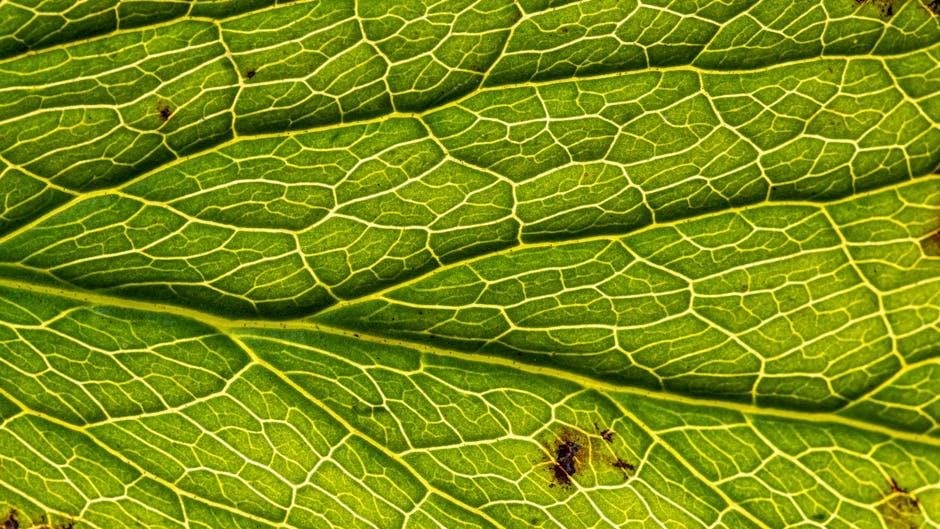
Chlorophyll is the primary pigment responsible for capturing light energy during photosynthesis, giving plants their characteristic green color. However, it isn’t the sole light-harvesting molecule. Accessory pigments, such as carotenoids and xanthophylls, also play crucial roles.
These pigments broaden the spectrum of light that can be used for photosynthesis, absorbing wavelengths that chlorophyll misses. They also serve a protective function, dissipating excess light energy that could damage the photosynthetic machinery, much like protective gear during a half marathon.
The combination of these pigments ensures efficient light capture across a wider range of conditions. Their arrangement within the thylakoid membranes maximizes light absorption, optimizing the energy conversion process.
The Two Stages of Photosynthesis
Photosynthesis unfolds in two main stages: the light-dependent reactions and the light-independent reactions (Calvin Cycle). The light-dependent reactions occur in the thylakoid membranes of chloroplasts, harnessing light energy to split water molecules, releasing oxygen as a byproduct and generating ATP and NADPH – energy-carrying molecules.
These energy carriers then power the light-independent reactions, which take place in the stroma. Here, carbon dioxide is “fixed,” meaning it’s incorporated into organic molecules, ultimately producing glucose.
This process, akin to building with resources, relies on the energy from ATP and NADPH. The cycle regenerates starting molecules, ensuring continuous glucose production, vital for plant growth and energy storage, similar to fueling a long run.
Light-Dependent Reactions
Light-dependent reactions initiate photosynthesis, occurring within the thylakoid membranes inside chloroplasts. Chlorophyll and other pigments absorb light energy, exciting electrons. This energy drives the splitting of water molecules (photolysis), releasing oxygen, protons (H+), and electrons.
The energized electrons move through an electron transport chain, releasing energy used to pump protons into the thylakoid space, creating a proton gradient. This gradient powers ATP synthase, generating ATP through chemiosmosis – a process similar to a hydroelectric dam.
Simultaneously, electrons combine with NADP+ and protons to form NADPH, another energy-carrying molecule. These reactions convert light energy into chemical energy stored in ATP and NADPH, fueling the subsequent Calvin cycle, much like preparing resources for construction.
Light-Independent Reactions (Calvin Cycle)
Light-independent reactions, also known as the Calvin cycle, utilize the ATP and NADPH generated during the light-dependent reactions. This cycle occurs in the stroma of the chloroplasts and doesn’t directly require light, though it relies on its products.
The cycle begins with carbon fixation, where CO2 from the atmosphere is combined with RuBP (ribulose-1,5-bisphosphate) by the enzyme RuBisCO. This unstable six-carbon compound immediately breaks down into two molecules of 3-PGA.
ATP and NADPH are then used to convert 3-PGA into G3P (glyceraldehyde-3-phosphate), a three-carbon sugar. Some G3P is used to create glucose and other organic molecules, while the rest regenerates RuBP, allowing the cycle to continue, similar to a continuous production line.

Cellular Respiration: Releasing Chemical Energy
Cellular respiration breaks down glucose, releasing stored energy for cellular work, mirroring how organisms utilize resources, like hikers needing warm socks from Decathlon.
What is Cellular Respiration?
Cellular respiration is the metabolic process by which organisms convert biochemical energy from nutrients into adenosine triphosphate (ATP), and then release waste products.
Essentially, it’s how cells unlock the energy stored in the bonds of food molecules – like glucose – to power life’s activities. This process isn’t a single step, but a series of coordinated chemical reactions.
It’s fundamentally the reverse of photosynthesis, taking in oxygen and releasing carbon dioxide and water. Think of it as ‘burning’ fuel, but in a controlled manner within cells.
Individuals with diabetes, like those mentioned, experience disruptions in glucose metabolism, highlighting the importance of regulated cellular respiration. Even physical activity, such as training for a half marathon, dramatically increases the demand for ATP, thus accelerating cellular respiration rates.
Understanding this process is crucial, as it underpins all life functions, from muscle contraction to nerve impulse transmission.
The Cellular Respiration Equation
The overall equation for cellular respiration summarizes the process: C6H12O6 + 6O2 → 6CO2 + 6H2O + ATP.
This means glucose (C6H12O6) reacts with oxygen (6O2) to produce carbon dioxide (6CO2), water (6H2O), and energy in the form of ATP.
It’s important to remember this is a simplified representation; cellular respiration involves numerous intermediate steps and enzymes.
The equation demonstrates how organisms obtain energy from food. For example, a runner utilizing gels for quick carbs is essentially providing glucose to fuel increased respiration during a half marathon.
Disruptions in this process, as seen in diabetes, can lead to imbalances in blood sugar levels, emphasizing the equation’s significance. Just as a business needs resources, cells need glucose and oxygen to ‘run’ effectively.
The Stages of Cellular Respiration
Cellular respiration unfolds in four primary stages: Glycolysis, the Krebs Cycle (Citric Acid Cycle), and the Electron Transport Chain with Oxidative Phosphorylation.
Glycolysis occurs in the cytoplasm, breaking down glucose into pyruvate, yielding a small amount of ATP. The Krebs Cycle, within the mitochondrial matrix, further processes pyruvate, releasing CO2 and generating electron carriers.
These carriers then fuel the Electron Transport Chain, located in the inner mitochondrial membrane, establishing a proton gradient used by Oxidative Phosphorylation to produce the bulk of ATP.
Think of it like a series of steps – similar to a business process – each building upon the last to achieve a final outcome: energy production. Damage from conditions like DKA can disrupt these stages.
Efficient function, like a well-stocked shop, ensures optimal energy output for cellular activities.
Glycolysis
Glycolysis, meaning “sugar splitting,” is the initial stage of cellular respiration, occurring in the cytoplasm and not requiring oxygen. This ancient pathway breaks down one molecule of glucose (a six-carbon sugar) into two molecules of pyruvate (a three-carbon molecule).
This process yields a net gain of two ATP molecules – a small energy payoff – and two NADH molecules, which carry high-energy electrons. Glycolysis can be visualized as preparing the fuel for further processing.
Like finding the right hiking socks from Decathlon to prepare for a run, glycolysis primes glucose for the subsequent stages. It’s a foundational step, essential even for organisms lacking mitochondria.
The efficiency of this initial breakdown impacts the overall energy yield, much like a business’s initial investment influences its future profits.
Krebs Cycle (Citric Acid Cycle)
The Krebs Cycle, also known as the citric acid cycle, takes place in the mitochondrial matrix. Before entering the cycle, pyruvate from glycolysis is converted into acetyl-CoA, releasing carbon dioxide and generating NADH.
Acetyl-CoA then combines with oxaloacetate, initiating a series of reactions that regenerate oxaloacetate, completing the cycle. This cyclical process releases carbon dioxide, ATP, NADH, and FADH2 – all crucial energy carriers.
Think of it as a refining process, similar to a business carefully managing its resources for maximum output. The cycle doesn’t directly produce a large amount of ATP, but it generates the electron carriers vital for the next stage.
Like a dietitian advising on gel intake during a half marathon, the Krebs Cycle prepares the energy for efficient utilization, ensuring sustained performance.
Electron Transport Chain and Oxidative Phosphorylation
The Electron Transport Chain (ETC), located in the inner mitochondrial membrane, utilizes the high-energy electrons from NADH and FADH2 (produced in glycolysis and the Krebs cycle). These electrons are passed along a series of protein complexes, releasing energy with each transfer.
This released energy is used to pump protons (H+) across the membrane, creating an electrochemical gradient. This gradient drives oxidative phosphorylation, where ATP synthase uses the proton flow to generate a substantial amount of ATP.
It’s akin to a carefully constructed system, like a well-managed business (Decathlon or Go Outdoors) maximizing efficiency. Oxygen serves as the final electron acceptor, forming water.
This stage yields the majority of ATP from cellular respiration, mirroring how strategic resource allocation leads to significant gains, much like avoiding issues during a half marathon.

Comparing and Contrasting Photosynthesis and Cellular Respiration
Photosynthesis builds sugars using light energy, while cellular respiration breaks them down to release energy, showcasing opposing yet complementary metabolic pathways.
Similarities Between the Processes
Despite their contrasting roles, photosynthesis and cellular respiration share several key similarities, highlighting a fundamental interconnectedness in biological systems. Both processes involve a series of enzyme-catalyzed reactions, meticulously orchestrated within specific cellular compartments – chloroplasts for photosynthesis and mitochondria for cellular respiration.
Crucially, both pathways utilize electron transport chains to facilitate energy transfer, albeit in reverse directions. Photosynthesis employs light energy to drive electron flow, while cellular respiration harnesses energy from glucose to power electron transport. Furthermore, both processes rely heavily on redox reactions, involving the transfer of electrons between molecules.
Perhaps most significantly, both photosynthesis and cellular respiration are essential for maintaining life on Earth, contributing to the cycling of carbon and energy within ecosystems. They both involve multiple stages, each with specific inputs and outputs, and ultimately depend on the availability of resources like water and carbon dioxide, mirroring how businesses rely on customer engagement.
Key Differences: Energy Input vs. Output
The most fundamental difference between photosynthesis and cellular respiration lies in their energy dynamics: one captures and stores energy, while the other releases it. Photosynthesis is an endergonic process, requiring an input of energy – specifically, light energy – to convert carbon dioxide and water into glucose and oxygen. This stored energy is contained within the chemical bonds of glucose.
Conversely, cellular respiration is an exergonic process, releasing energy from glucose in the presence of oxygen to produce carbon dioxide, water, and ATP. ATP serves as the primary energy currency of cells, powering various cellular activities, much like a gel provides quick carbs for a marathon runner.
Essentially, photosynthesis ‘builds up’ complex molecules, storing energy, while cellular respiration ‘breaks down’ those molecules, releasing energy. This opposing relationship creates a continuous cycle, ensuring a constant flow of energy through living organisms, similar to how businesses attract and serve customers.
The Role of ATP in Both Processes
ATP (adenosine triphosphate) is the universal energy currency of life, playing a crucial, though differing, role in both photosynthesis and cellular respiration. While photosynthesis directly produces glucose – a long-term energy storage molecule – it also requires ATP for certain steps within the Calvin cycle. This ATP is generated during the light-dependent reactions, fueled by captured light energy.

However, ATP’s primary role is in cellular respiration. This process breaks down glucose to release energy, and a significant portion of that energy is captured and converted into ATP through glycolysis, the Krebs cycle, and oxidative phosphorylation.
This ATP then powers cellular work, from muscle contraction to active transport, much like a business uses revenue to fund operations. Essentially, photosynthesis creates the fuel (glucose), and cellular respiration converts it into a usable energy form (ATP), ensuring a continuous energy supply for life’s processes.

Factors Affecting Photosynthesis and Cellular Respiration
Environmental conditions, like temperature and light availability, significantly influence photosynthetic rates, while substrate concentration impacts respiration, mirroring business success factors.
Environmental Factors Influencing Photosynthesis
Light intensity is a primary driver; as light increases, photosynthesis generally rises until a saturation point is reached, beyond which further increases have little effect – much like advertising reach.
Carbon dioxide concentration also plays a crucial role, acting as a substrate for the Calvin cycle; however, excessively high levels can be detrimental.
Temperature significantly impacts enzyme activity involved in photosynthesis; optimal temperatures vary by plant species, and extremes can inhibit the process, similar to how cold impacts running performance.
Water availability is essential, as water stress causes stomata to close, limiting CO2 uptake and hindering photosynthesis, mirroring supply chain disruptions.
Nutrient availability, particularly nitrogen and magnesium, affects chlorophyll production and overall plant health, impacting photosynthetic capacity, like proper diet for athletes.
These factors interact, creating complex scenarios where one limitation can override others, demonstrating the delicate balance within ecosystems and business operations.
Factors Affecting Cellular Respiration Rate
Temperature profoundly influences respiration rates; as temperature increases, respiration generally speeds up due to enhanced enzyme activity, up to an optimal point, beyond which enzymes denature – akin to overheating during a marathon.
Oxygen availability is critical, as oxygen serves as the final electron acceptor in the electron transport chain; limited oxygen restricts aerobic respiration, shifting towards less efficient anaerobic pathways.
Glucose availability directly impacts respiration; more glucose means more substrate for glycolysis and subsequent stages, boosting ATP production, like fueling a business with investment.
Water content affects metabolic processes; dehydration slows respiration, while excessive water can limit oxygen diffusion, mirroring logistical challenges.
Age and tissue type also matter; actively growing tissues and younger organisms generally exhibit higher respiration rates, reflecting increased energy demands.
These factors interact, influencing the overall efficiency of energy release within cells, demonstrating a complex interplay similar to market dynamics.