Acts of the Apostles‚ a New Testament book‚ chronicles early Christian history. Scholars date it to AD 62‑70‚ attributing authorship to Luke‚ a companion of Paul. The study guide contextualizes its purpose‚ audience‚ and literary structure for deeper insight. It highlights early church community life.
Authorship‚ Date‚ and Audience
Luke‚ a physician and companion of the apostle Paul‚ is traditionally credited with writing the Acts of the Apostles. Scholars date the composition to the late 1st century‚ around AD 62‑70‚ after the martyrdom of Peter and Paul. The text is addressed to Theophilus‚ a patron or early Christian leader‚ and serves as a sequel to Luke’s Gospel‚ providing a historical narrative of the early church. The author emphasizes the continuity of the apostolic mission‚ the spread of the gospel‚ and the work of the Holy Spirit. The study guide highlights that the intended audience includes both Gentile converts and Jewish Christians‚ offering a unified theological perspective that underscores the inclusivity of the new faith. The guide also notes that Luke’s careful historical method and use of eyewitness testimony aim to authenticate the events and inspire confidence in the reader’s faith journey.
Luke’snarrative style reflects a meticulous approach‚ drawing from eyewitness accounts and oral traditions. He emphasizes the continuity of the apostolic mission‚ portraying the early church as a living community guided by the Holy Spirit; The guide notes that Luke’s target audience includes both Jewish and Gentile believers‚ aiming to foster unity and shared identity in the nascent faith. By addressing Theophilus‚ Luke underscores the importance of documenting the spread of the gospel‚ ensuring that future generations understand the foundational events that shaped Christian doctrine and practice. Done!
Purpose and Literary Structure
Luke’s Acts serves as a bridge between his Gospel and the unfolding history of the early church‚ offering a systematic account of the apostles’ ministry after Christ’s ascension. The study guide emphasizes that the book is structured in three thematic phases: the Pentecostal outpouring and the birth of the church (Acts 1‑2)‚ the spread of the gospel through missionary journeys and the empowerment of believers (Acts 3‑5)‚ and the consolidation of the Christian community amid persecution and growth (Acts 6‑12). Each phase is organized around key events—such as the first sermon‚ the healing of the lame man‚ the stoning of Stephen‚ and the conversion of the Ethiopian eunuch—illustrating how the Holy Spirit directs the apostles’ actions. The author employs a narrative style that interweaves eyewitness testimony‚ apostolic speeches‚ and communal practices‚ thereby reinforcing the theological themes of divine guidance and communal unity. The guide highlights Luke’s use of Greek literary devices‚ including parallelism and chiastic structures‚ to underscore the continuity between the Old Testament prophecies and the New Testament fulfillment. By presenting the material in a clear‚ chronological format‚ Luke invites readers to trace the development of early Christian doctrine‚ the expansion of the church beyond Jerusalem‚ and the role of the Spirit in guiding the apostles’ mission. The study guide encourages critical engagement with the text‚ prompting readers to consider how Luke’s theological agenda shapes the narrative and to reflect on the implications for contemporary faith practice. The purpose is ultimately to inspire a deeper understanding of the apostolic mission and the enduring relevance of the Holy Spirit’s work in the life of the church. Additionally‚ the guide points out that Luke’s narrative strategy involves a deliberate use of repetition‚ particularly in the way he revisits the theme of the Holy Spirit’s presence at pivotal moments. This technique serves to reinforce the theological message that the Spirit is not a passive backdrop but an active agent in the unfolding story of salvation. The study guide also notes that Luke’s careful attention to detail—such as the specific dates‚ locations‚ and names—provides a historical framework that readers can use to map the spread of Christianity across the Mediterranean world. By situating the apostles’ actions within a broader socio‑political context‚ the guide invites readers to appreciate the challenges and opportunities the early church faced‚ thereby fostering a richer‚ more nuanced understanding of the Acts narrative. Readers are encouraged to compare Luke’s account with other contemporary sources to discern the historical reliability of the events described. The guide also invites reflection on how the structure of Acts mirrors the progression of the early church from a local gathering to a global movement‚ underscoring the transformative power of the Spirit. The guide invites readers to analyze literary techniques now.
The Day of Pentecost (Acts 2)
Acts 2 describes the Holy Spirit’s descent‚ tongues speaking‚ and Peter’s sermon. The guide highlights key verses‚ the crowd’s reaction‚ and the theological significance of the Spirit’s empowerment for the early church. It highlights Spirit’s equipping believers.!!
Event Overview and Key Verses
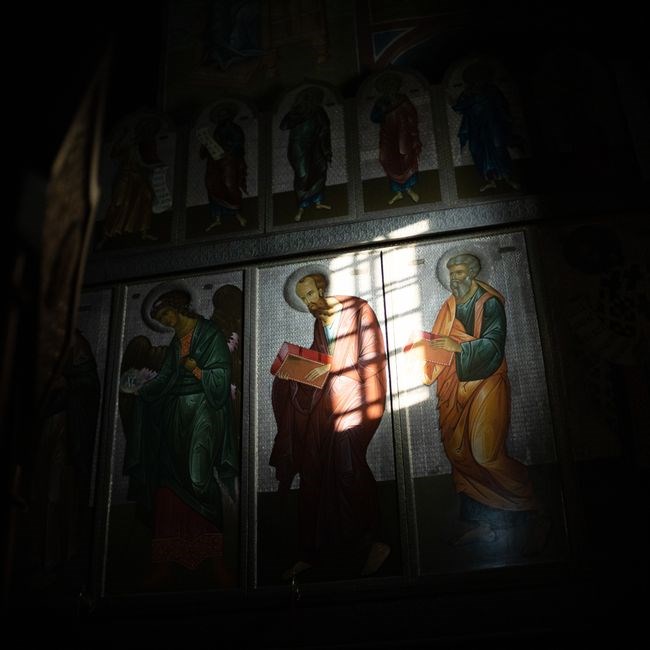
Acts 2 opens with a sudden‚ thunder‑like wind that fills the house where the apostles gather. The Spirit descends as tongues of fire‚ and each believer speaks in a language they have never known‚ allowing the crowd of Jews from every nation to hear the proclamation in their own tongue. Peter stands‚ addresses the assembled crowd‚ and cites the prophecy of Joel‚ explaining that this event is the fulfillment of God’s promise of the Spirit. He declares that Jesus of Nazareth‚ crucified‚ resurrected‚ and exalted‚ is the Messiah‚ and urges the listeners to repent‚ be baptized‚ and receive the gift of the Holy Spirit. The sermon concludes with a dramatic conversion: 3‚000 people are added to the church that day. The key verses—Acts 2:1‑13 for the outpouring‚ 2:14‑41 for Peter’s sermon—serve as anchors for the study guide‚ illustrating the Spirit’s power‚ the unity of diverse peoples‚ and the call to discipleship. The guide emphasizes the theological significance of the Spirit’s presence‚ the communal response‚ and the immediate growth of the early church. The study guide encourages readers to examine the linguistic diversity‚ the prophetic fulfillment‚ and the communal response‚ noting how the Spirit’s presence transforms individuals into a unified body. It also highlights the role of the Holy Spirit in guiding decisions‚ empowering leadership‚ and fostering a culture of generosity and prayer within the nascent church. Reflecting‚ see the Spirit’s work as a gift and mandate‚ urging faith‚ bold.
Theological Significance of the Holy Spirit
In Acts 2‚ the Holy Spirit is portrayed as the divine catalyst that transforms the early believers into a unified‚ mission‑oriented community. The wind and tongues of fire symbolize the Spirit’s power to break linguistic and cultural barriers‚ fulfilling Joel’s prophecy and demonstrating that God’s grace is available to all nations. The Spirit’s presence legitimizes Peter’s preaching‚ confirming the gospel’s divine origin and the apostles’ authority. It also initiates the church’s sacramental life: baptism‚ the laying on of hands‚ and communal worship. The Spirit’s empowerment is evident in the apostles’ bold proclamation‚ the miraculous healings‚ and the rapid growth of 3‚000 new disciples. Theological themes include the Spirit as the agent of regeneration‚ the source of unity among diverse peoples‚ and the ongoing presence that guides the church’s mission. The study guide emphasizes how the Spirit’s work in Acts 2 establishes the foundation for Christian identity‚ covenantal participation‚ and the expectation of the Spirit’s continual guidance in all aspects of faith practice.
Additional insight highlights how the Spirit’s presence fosters unity‚ encourages prophetic revelation‚ and equips believers for mission. The Spirit’s role in sanctification‚ guiding decisions‚ and sustaining communal worship. The early church’s collective identity was rooted in the Spirit’s work‚ shaping doctrine‚ practice‚ and outreach‚ thereby establishing a model for future generations. The Spirit’s guidance nurtures hope‚ and love in community!!
The Work of the Holy Spirit
The Holy Spirit energizes the church‚guiding decisions‚ empowering preaching‚ and fostering unity.Act shows the Spirit inspiring testimony‚ granting gifts‚ and sustaining communal prayer‚ creating a vibrant‚ Spirit-filled community that spreads the gospel worldwide.
Spirit’s Role in the Early Christian Community

The Holy Spirit’s presence in the nascent church is vividly portrayed in Acts‚ where believers experience divine guidance‚ empowerment‚ and unity. Immediately after Pentecost‚ the Spirit’s descent manifests as tongues of fire‚ enabling the apostles to speak in multiple languages and reach diverse audiences. This linguistic miracle not only confirms the authenticity of the message but also establishes the church’s mission to all nations. Throughout Acts‚ the Spirit continually directs the apostles’ actions: from Peter’s bold proclamation in Acts 2:38 to John’s healing in Acts 3:1‑26‚ each act is a testament to divine empowerment. The Spirit also fosters communal life: the early Christians “devoted themselves to the apostles’ teaching‚ to fellowship‚ to the breaking of bread‚ and to prayer” (Acts 2:42). Their shared devotion‚ guided by the Spirit‚ produces a culture of generosity‚ as they “shared all things” and “sold their possessions to give to anyone who had need” (Acts 4:32‑35). The Spirit’s influence extends to decision‑making‚ evident when the apostles “lay hands on the new believers” (Acts 8:17) to receive the Holy Spirit‚ signifying a communal affirmation of faith. Moreover‚ the Spirit’s work is instrumental in the church’s expansion: the Ethiopian eunuch’s conversion (Acts 8:26‑40) and the Samaritans’ baptism (Acts 8:4‑25) illustrate the Spirit’s role in breaking cultural barriers. In sum‚ the Holy Spirit is the catalyst for proclamation‚ empowerment‚ communal unity‚ and missionary outreach‚ shaping the early Christian community into a dynamic‚ Spirit‑led body that continues to inspire faith and action today. Thus‚ the Spirit’s work remainsnow to the church.
Indwelling and Empowerment (Romans 8; 1 Cor 3)
In Acts‚ the Holy Spirit’s indwelling is a central theme that echoes the theological insights of Romans 8 and 1 Corinth 3. The Spirit’s presence is first shown when the apostles receive tongues at Pentecost‚ enabling them to proclaim the gospel in every language (Acts 2:4). This event foreshadows the universal indwelling described in Romans 8:9‚ where believers “are not in the flesh but in the Spirit.” The study guide emphasizes that the Spirit’s work in the early church is not limited to miraculous signs; it also transforms hearts‚ producing love‚ joy‚ and peace (Acts 2:38‑39). The same transformative power is reflected in 1 Corinth 3:16‚ where Paul reminds the Corinthians that they are “the temple of God” and that the Spirit dwells within them. Acts demonstrates this through communal worship‚ shared meals‚ and mutual support (Acts 2:42‑47). The guide links these practices to the idea that the Spirit empowers believers to build a solid foundation‚ as Paul warns against building on a weak base (1 Corinth 3:19‑20). By highlighting the Spirit’s dual role—indwelling to sanctify and empowering to serve—the study guide provides a comprehensive understanding of how the early church’s experience of the Spirit anticipates the broader theological framework of the New Testament. Thus‚ the indwelling and empowerment of the Spirit are presented as inseparable forces that shape both individual faith and collective mission.
Readers are encouraged to reflect on how the Spirit’s indwelling shapes their daily walk and community engagement. daily.
Early Church Practices and Growth
Early church growth hinged on shared worship‚ prayer‚ and communal meals. Acts 2:42‑47 shows believers devoted to teaching‚ fellowship‚ breaking bread‚ and prayer. This unity fostered rapid expansion‚ illustrating the Spirit’s role in building a resilient‚ mission‑oriented community. Guided by faith. hope.
First Gospel Sermon and Baptism (Acts 2:22-41)
Peter’s address in Acts 2:22‑41 forms the inaugural gospel proclamation of the early church. Standing before a bewildered crowd in Jerusalem‚ he identifies Jesus of Nazareth as the promised Messiah‚ recounting his obedient life‚ miraculous deeds‚ crucifixion under Pontius Pilate‚ and victorious resurrection. By invoking Psalm 16 and Psalm 22‚ Peter demonstrates that the events fulfill divine prophecy‚ thereby validating the apostolic witness. He then issues a stark invitation: “Repent and be baptized‚ every one of you‚ in the name of Jesus Christ for the forgiveness of sins‚ and you will receive the gift of the Holy Spirit.” This call links personal conversion with communal inclusion‚ establishing baptism as the entry point into the nascent body of believers. The promise of the Spirit underscores the transformative power that will sustain the community’s growth. Peter concludes with an eschatological hope‚ urging listeners to look forward to the “day of the Lord” when God will restore all things. The passage serves as a theological blueprint for the Acts study guide‚ illustrating how proclamation‚ repentance‚ baptism‚ and Spirit‑empowerment operate together to launch the mission of the church. It also provides a practical model for contemporary teaching‚ emphasizing the need for clear exposition‚ urgent appeal‚ and assurance of divine presence. This invitation fused repentance‚ baptism‚ and Spirit‑empowerment‚ forging a new communal identity rooted in divine promise.!
Community Life: Fellowship‚ Prayer‚ and Sharing (Acts 2:42‑47)
Acts 2:42‑47 offers a concise portrait of the first Christian community’s daily rhythm. Believers “devoted themselves to the apostles’ teaching‚ to fellowship‚ to the breaking of bread‚ and to prayer;” This four‑fold devotion created a strong relational network that sustained rapid growth. The passage notes that they shared possessions‚ selling property to meet each other’s needs‚ and that “no one claimed that any of his possessions were his own.” Such radical generosity eliminated economic barriers and fostered unity. Their worship was both private and public: they met in the temple courts and in homes‚ praising God with sincerity. The Spirit’s presence drew crowds‚ and “the Lord added to their number daily those who were being saved.” The study guide highlights three practical dimensions: intentional teaching that grounded doctrine‚ regular communal meals that reinforced identity‚ and persistent prayer that invited divine guidance. Modern readers are encouraged to model these practices by establishing small‑group study‚ shared meals‚ and consistent corporate prayer‚ thereby replicating the early church’s vitality. Additional reflection on communal life emphasizes love‚ generosity‚ mutual care‚ shared meals‚ heartfelt prayer‚ and the transformative power of the Spirit that binds believers together in purpose and hope‚ encouraging every church today to embody these timeless principles.This communal model still guides churches today for all now.
Persecution‚ Discipline‚ and Mission Expansion
Acts 4‑5 records the persecution‚ apostles bold defense‚ and disciplined community. The narrative shows how trials sparked mission: Samaritans (Acts 8) and the Ethiopian eunuch (Acts 8:26‑40) became new witnesses‚ expanding the gospel beyond Jerusalem.
First Persecution and Apostolic Response (Acts 4‑5)
Acts 4 and 5 capture the first major backlash against the fledgling church. After Peter and John heal a lame man‚ the Sanhedrin arrests them‚ demanding they stop preaching about Jesus. The apostles refuse to comply‚ citing the resurrection as their authority. They boldly proclaim that the only way to salvation is through the Messiah‚ and the crowd is shaken. The authorities sentence them to be flogged‚ yet the apostles remain unbroken. The next day‚ the same leaders confront the believers again‚ accusing them of blasphemy. The apostles counter by insisting that the Holy Spirit is the true witness to Jesus’ divine mission. The crowd‚ moved by their conviction‚ is astonished‚ and the apostles are released. The narrative emphasizes that persecution does not silence the gospel; instead‚ it galvanizes the community. The apostles’ unwavering faith‚ the council’s harsh response‚ and the subsequent release illustrate the early church’s resilience and the divine endorsement of their message. The account also shows the early believers’ reliance on prayer‚ communal support‚ and the guidance of the Holy Spirit to navigate trials. The story sets the stage for the subsequent missionary journeys and the spread of Christianity beyond Jerusalem. In this concise guide‚ readers will explore key themes‚ scriptural references‚ and practical applications‚ enabling deeper study and discussion within small groups‚ and fostering a richer understanding of the early church’s mission and perseverance today.
Mission to Samaritans and the Ethiopian Eunuch (Acts 8)
After the first persecution‚ the apostles disperse‚ and the gospel spreads beyond Jerusalem. Acts 8 recounts two pivotal missionary moments: the Samaritan outreach and the encounter with the Ethiopian eunuch. Philip‚ guided by the Holy Spirit‚ encounters a Samaritan caravan on the road to Gaza. He preaches the good news‚ leading many to believe. However‚ the Samaritans are baptized by Philip but do not receive the Holy Spirit until the apostles Peter and John lay hands on them‚ demonstrating the necessity of apostolic authority for the Spirit’s full work. The second narrative follows the Ethiopian eunuch‚ a high‑ranking official of the king of Ethiopia. While traveling‚ he reads Isaiah in the wilderness. Philip‚ prompted by the Spirit‚ approaches‚ explains the scripture‚ and baptizes him. This encounter illustrates the gospel’s reach to Gentiles and the inclusive nature of the early church. The guide highlights key verses‚ theological implications‚ and practical lessons for modern believers‚ encouraging small‑group study and reflection on missionary zeal‚ the role of the Holy Spirit‚ and the breaking of cultural barriers in spreading the message of Christ. The narrative underscores the Spirit’s role in bridging cultural divides. It inspires.!