Cessna 172M Service Manual: A Comprehensive Overview (Updated 03/05/2026)
This essential manual, now available, expertly guides installation, operation, and diligent maintenance procedures for your Cessna 172M aircraft, ensuring peak performance and longevity.
The Cessna 172M, a cornerstone of general aviation, represents a significant evolution in the renowned 172 series. Introduced in 1979, the “M” model boasts enhanced features and refinements over its predecessors, solidifying its position as a favored trainer and personal aircraft. This service manual is dedicated to providing comprehensive guidance for maintaining the airworthiness and operational reliability of this exceptional aircraft.
Understanding the specific characteristics of the 172M is crucial for effective maintenance. Key improvements included larger flaps for enhanced low-speed handling, and refined systems contributing to improved performance. This manual details every aspect, from routine inspections to complex overhauls, ensuring owners and mechanics alike have the resources needed to keep the 172M flying safely and efficiently. Proper adherence to these guidelines will maximize the aircraft’s lifespan and maintain its inherent value.

Purpose of the Service Manual
This Cessna 172M Service Manual serves as the definitive resource for all maintenance, inspection, and repair procedures pertaining to this specific aircraft model. Its primary purpose is to furnish aircraft owners, certified mechanics, and aviation technicians with detailed, step-by-step instructions ensuring compliance with FAA regulations and Cessna’s stringent maintenance standards.
Beyond regulatory adherence, this manual aims to promote safe and efficient operation of the 172M. It provides critical information regarding component functionality, troubleshooting common issues, and performing preventative maintenance. By utilizing this manual, users can minimize downtime, reduce maintenance costs, and ultimately, enhance the overall reliability and longevity of their aircraft. It’s designed to be a practical, hands-on guide for all levels of aviation maintenance expertise.
Manual Organization and Structure
This Cessna 172M Service Manual is meticulously organized to facilitate efficient information retrieval and ease of use. The manual is divided into distinct sections, beginning with foundational overviews of aircraft systems and progressing to detailed maintenance schedules and component overhaul procedures. Each section is logically structured, utilizing a hierarchical format with clear headings and subheadings.
Furthermore, the manual incorporates comprehensive appendices containing vital resources such as torque values, complete wiring diagrams, and a detailed parts catalog. An extensive glossary of abbreviations and definitions ensures clarity and understanding of technical terminology. This structured approach allows users to quickly locate specific information, whether performing routine inspections or tackling complex repairs, maximizing efficiency and minimizing errors.

Aircraft Systems Covered
This manual delivers exhaustive coverage of all critical Cessna 172M systems, including the engine, propeller, fuel, electrical, and flight control mechanisms.
Engine (Lycoming O-320-E2D) – Detailed Breakdown
This section provides an in-depth examination of the Lycoming O-320-E2D engine, the powerplant of the Cessna 172M. Detailed exploded views illustrate each component, facilitating identification and understanding of its function within the overall engine assembly. Comprehensive procedures are outlined for routine maintenance tasks, including oil changes, filter replacements, and spark plug servicing.
Specific attention is given to troubleshooting common engine issues, such as starting difficulties and rough running. The manual details diagnostic steps, utilizing appropriate tools and techniques to pinpoint the root cause of the problem. Furthermore, it covers procedures for inspecting critical engine components for wear and damage, ensuring continued airworthiness. Torque specifications for all engine fasteners are clearly listed, alongside recommended lubrication points and fluid capacities. This ensures proper assembly and prevents potential failures.
Propeller – Maintenance and Overhaul
This section details the maintenance and potential overhaul procedures for the Cessna 172M’s propeller, crucial for efficient flight. It begins with routine inspection guidelines, covering blade condition, tracking, and overall structural integrity. Detailed instructions are provided for dynamic balancing, minimizing vibration and extending component life.
The manual outlines procedures for lubricating the propeller hub, ensuring smooth operation and preventing corrosion. Should overhaul become necessary, a step-by-step guide is included, detailing disassembly, inspection for cracks and damage, and reassembly with specified torque values. Emphasis is placed on proper blade pitch setting and synchronization. Specific tools required for propeller maintenance are listed, alongside safety precautions to observe during all procedures, guaranteeing a safe and reliable outcome.
Fuel System – Inspection and Troubleshooting
This crucial section provides comprehensive guidance on inspecting and resolving issues within the Cessna 172M’s fuel system, vital for safe operation. Detailed procedures cover fuel tank inspections for leaks, sediment, and contamination, alongside fuel line checks for cracks or damage. The manual outlines proper fuel filter replacement techniques, emphasizing the importance of cleanliness.
Troubleshooting charts are included to diagnose common problems like engine hesitation, rough running, or complete fuel starvation. Step-by-step instructions guide technicians through checking fuel pumps, carburetors, and fuel selectors. Specific attention is given to identifying and rectifying vapor lock conditions. Safety precautions regarding flammable fuels are prominently displayed, ensuring a secure working environment during all maintenance and repair activities.
Electrical System – Wiring Diagrams and Component Testing
This section delivers exhaustive details regarding the Cessna 172M’s electrical system, featuring complete and clearly labeled wiring diagrams for easy tracing of circuits. It provides systematic procedures for testing all key components, including the battery, alternator, voltage regulator, and various circuit breakers.
Detailed instructions are given for using a multimeter to check voltage drops, continuity, and resistance within the system. Troubleshooting guides assist in identifying and resolving common electrical malfunctions, such as dimming lights, malfunctioning avionics, or complete power failures. Emphasis is placed on proper grounding techniques and the use of appropriate testing equipment to ensure accurate diagnoses and safe repairs. Safety warnings regarding electrical shock hazards are prominently featured.
Flight Control System – Rigging and Adjustment
This crucial section details the precise rigging and adjustment procedures for the Cessna 172M’s flight control surfaces – ailerons, elevator, and rudder – ensuring optimal aerodynamic performance and pilot control. It provides step-by-step instructions for checking control cable tension, verifying proper surface travel limits, and performing necessary adjustments to achieve correct control harmony.
Detailed diagrams illustrate the control system linkages and bellcranks. Procedures cover the use of control rigging gauges and the importance of maintaining proper cable alignment. Troubleshooting guides address common issues like sluggish controls or excessive friction. Safety is paramount; the manual stresses the need for qualified personnel to perform these adjustments and emphasizes thorough post-adjustment flight testing.
Maintenance Schedules & Inspections
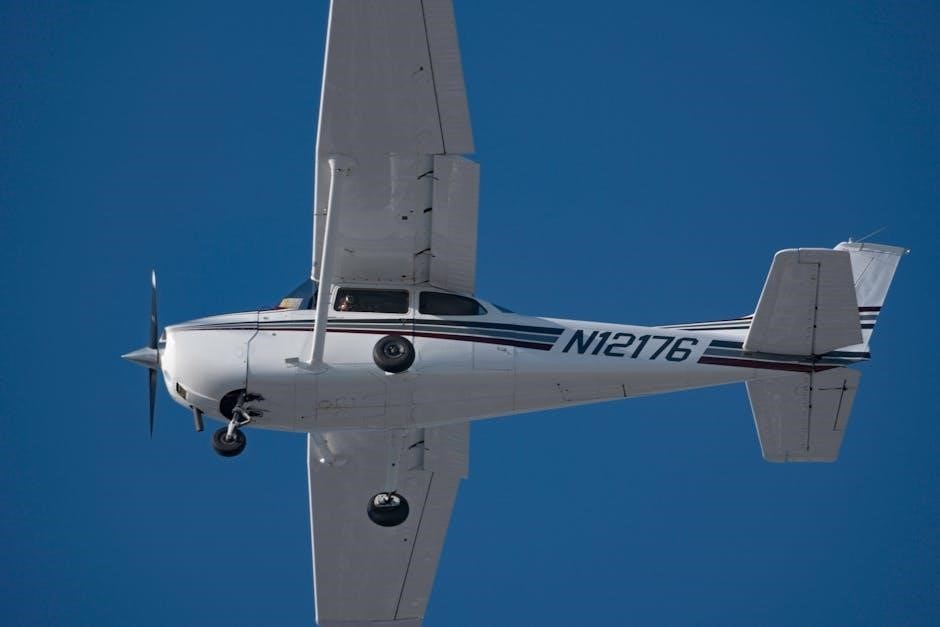
This section outlines legally mandated and recommended inspection intervals, including annual, 100-hour, and routine checks, to maintain airworthiness and safety.
Annual Inspection Requirements
The annual inspection, mandated by aviation regulations, is a comprehensive assessment of the Cessna 172M’s airworthiness. This detailed examination, performed by a certified Airframe and Powerplant (A&P) mechanic, covers the entire aircraft, ensuring all components meet stringent safety standards.
Key areas include a thorough inspection of the airframe for corrosion, structural integrity, and proper fastener security. The engine undergoes a detailed examination, checking for leaks, wear, and proper operation of all accessories. Control surfaces are inspected for freedom of movement and damage.
Furthermore, the fuel system, electrical system, landing gear, brakes, and all flight instruments receive meticulous scrutiny. Documentation of all findings, repairs, and replacements is crucial for maintaining a complete maintenance history and ensuring continued safe operation of the aircraft. Compliance with applicable Airworthiness Directives (ADs) is also verified during this inspection.
100-Hour Inspection Checklist
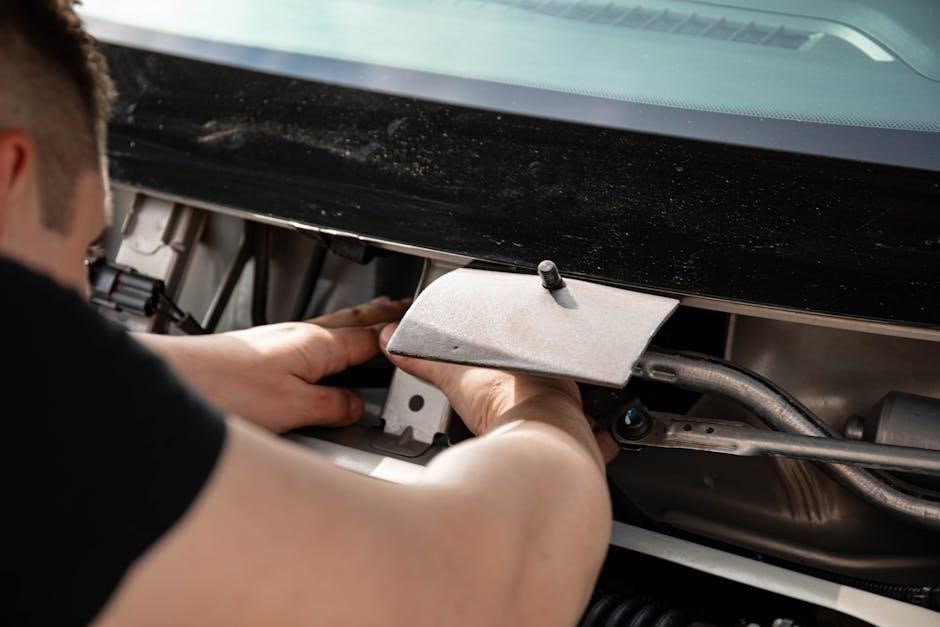
The 100-hour inspection, required for aircraft used for hire or flight instruction, provides a focused assessment of critical systems on the Cessna 172M. While less extensive than the annual inspection, it ensures continued airworthiness between annuals.
This checklist prioritizes items prone to wear or failure, including a detailed inspection of the engine oil levels, filters, and overall condition. Control surfaces, flight controls, and associated hardware are checked for proper operation and security. The fuel system is inspected for leaks and proper functioning of fuel pumps and lines.
Additionally, the propeller, landing gear, brakes, and tires receive careful attention. A thorough review of the aircraft’s logbooks is conducted to verify compliance with all applicable regulations and Airworthiness Directives. Accurate documentation of all inspection findings is essential for maintaining a comprehensive maintenance record.
Oil Change and Filter Replacement Procedures
Regular oil changes and filter replacements are paramount for maintaining the health of the Lycoming O-320-E2D engine in the Cessna 172M. This procedure typically occurs every 50 hours or as indicated by the oil analysis program.
Begin by warming the engine to operating temperature to ensure optimal oil flow. Position a drain pan beneath the oil drain plug and carefully remove the plug, allowing the oil to drain completely. Simultaneously, remove the oil filter using an appropriate wrench, being mindful of residual oil.
Lubricate the gasket of the new oil filter with fresh oil before installing it hand-tight, then tighten an additional ¾ turn. Reinstall the drain plug with a new crush washer, torquing to the specified value. Finally, add the correct quantity of oil, checking the level with the dipstick, and record the service in the aircraft logbooks.
Spark Plug Inspection and Replacement
Consistent spark plug inspection and timely replacement are crucial for optimal engine performance and preventing potential issues within the Lycoming O-320-E2D. Inspections should occur during the annual and 100-hour inspections, or sooner if engine misfires are detected.
Remove each spark plug carefully, noting its position for reinstallation. Inspect the electrodes for wear, fouling, or corrosion. Check the gap using a feeler gauge, adjusting as needed to the manufacturer’s specifications. If the plugs exhibit excessive wear or damage, replace them with new plugs of the correct type.
Apply a small amount of anti-seize compound to the threads before installing the new or cleaned plugs, tightening them to the specified torque value. Proper gapping and torque are vital for efficient combustion and engine reliability; document all work performed.

Component Overhaul & Repair
Detailed procedures for comprehensive component refurbishment are outlined, covering landing gear servicing, brake system maintenance, and meticulous control surface upkeep for safety.
Landing Gear – Inspection, Servicing, and Overhaul
Thorough inspection of the Cessna 172M’s landing gear is paramount for continued safe operation. This section details visual checks for cracks, corrosion, and deformation of all gear components – struts, wheels, tires, and braking assemblies. Servicing includes proper tire inflation to specified pressures, lubrication of moving parts, and brake fluid level verification.
Overhaul procedures cover complete disassembly, cleaning, inspection, and replacement of worn or damaged parts. Specific attention is given to shock strut maintenance, including nitrogen charge checks and seal replacement. Detailed torque specifications for reassembly are provided to ensure structural integrity.
Regular maintenance, following these guidelines, prevents potential failures and extends the lifespan of the landing gear system, contributing significantly to aircraft safety and reliability. Proper documentation of all inspections and servicing is crucial for maintaining airworthiness.
Brakes – System Bleeding and Pad Replacement
Maintaining optimal braking performance on the Cessna 172M requires periodic system bleeding and pad replacement. This section provides a step-by-step guide to safely and effectively bleed the brake lines, removing air and ensuring firm pedal feel. Detailed instructions cover proper fluid type, bleeding sequence, and safety precautions to prevent contamination.
Pad replacement procedures outline the removal of worn brake pads, inspection of rotors for wear or damage, and installation of new pads with appropriate hardware. Torque specifications for all fasteners are clearly indicated. Proper bedding-in of new pads is essential for maximizing braking efficiency and minimizing noise.
Regular inspection of brake lines for leaks and corrosion is also covered, alongside guidance on troubleshooting common braking issues. Consistent adherence to these procedures guarantees reliable stopping power.
Flaps and Ailerons – Control Surface Maintenance
Maintaining the integrity of the Cessna 172M’s flaps and ailerons is crucial for safe flight operations. This section details comprehensive inspection procedures for these vital control surfaces, focusing on hinge points, fabric condition (if applicable), and control cable routing. Look for any signs of wear, fraying, or damage.
Detailed instructions cover proper lubrication of hinges and control linkages, ensuring smooth and responsive operation. Adjustment procedures are outlined to maintain correct flap travel and aileron deflection. Emphasis is placed on verifying full and free movement without binding or excessive play.
This guide also addresses minor repairs, such as fabric patching (if applicable) and hardware replacement, always adhering to approved data. Regular maintenance prevents control issues.
Wing Spar Inspection – Corrosion Prevention
The wing spar is a critical structural component of the Cessna 172M, demanding meticulous inspection for corrosion. This section provides a detailed, step-by-step guide to thoroughly examine the spar for any evidence of corrosion, cracks, or damage. Special attention is given to areas prone to moisture accumulation.
Procedures outline the use of appropriate inspection tools and techniques, including visual checks and potentially non-destructive testing methods. Emphasis is placed on early detection, as corrosion can significantly weaken the spar’s structural integrity.
Comprehensive corrosion prevention measures are detailed, including cleaning, priming, and painting procedures using approved materials. Regular application of corrosion inhibitors is recommended to safeguard against future deterioration, ensuring continued airworthiness.
Troubleshooting Common Issues
This section delivers systematic diagnostic procedures for frequently encountered Cessna 172M problems, offering clear solutions for efficient and safe aircraft maintenance.
Engine Starting Problems – Diagnosis and Solutions
Addressing engine starting issues in the Cessna 172M requires a methodical approach; Begin by verifying battery charge and connections, ensuring sufficient voltage for the starter. Next, inspect the magneto system – check for spark at each plug. Fuel delivery is critical; confirm fuel quantity, selector valve position, and proper carburetor heat application.
A flooded engine necessitates opening the throttle fully and cranking to clear excess fuel. Low compression indicates potential internal engine problems requiring further investigation. Examine the starter itself for proper operation and solenoid engagement. Don’t overlook the possibility of a faulty ignition switch or a clogged fuel filter.
Detailed troubleshooting charts within this manual provide specific resistance values and voltage checks for each component, aiding in accurate diagnosis and efficient repair. Always consult the complete wiring diagrams for precise component locations.
Electrical System Malfunctions – Identifying Faults
Diagnosing electrical issues in the Cessna 172M demands a systematic approach, starting with a visual inspection of the entire wiring harness for damage or corrosion. Utilize a multimeter to verify voltage drops across connections, identifying potential high-resistance points. Check circuit breakers and fuses for continuity; a blown fuse indicates an overload or short circuit.
Pay close attention to the battery master switch and alternator functionality, ensuring proper charging voltage. Investigate malfunctioning lights or instruments by tracing the wiring back to the power source. Grounding issues are common; verify secure connections at all ground points.
This manual provides comprehensive wiring diagrams and component testing procedures, enabling precise fault isolation. Remember to always disconnect the battery before performing electrical work to prevent accidental shorts.
Hydraulic System Leaks – Repair Procedures
Addressing hydraulic leaks in the Cessna 172M requires meticulous attention to detail and adherence to safety protocols. Begin by identifying the source of the leak – common areas include fittings, hoses, and the brake master cylinder. Before any repair, depressurize the system completely.
For minor leaks at fittings, tightening may suffice, but avoid over-tightening. Damaged hoses must be replaced with approved aviation-grade components. If the brake master cylinder is leaking, overhaul or replacement is necessary.
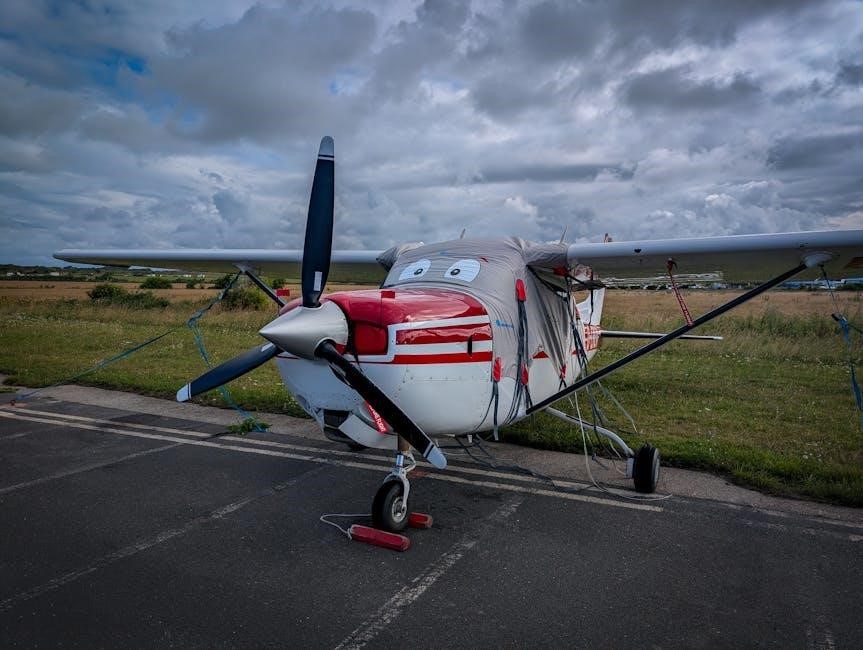
This manual details specific torque values for all hydraulic connections. After repairs, thoroughly bleed the system to remove air, ensuring proper brake function. Always use the correct hydraulic fluid and verify leak tightness before flight.
Flight Control Issues – Addressing Stiffness or Binding
Stiffness or binding in Cessna 172M flight controls demands immediate investigation and correction. Begin by checking control cable tension and travel, ensuring they fall within specified limits detailed in this manual. Inspect the control surfaces – ailerons, elevator, and rudder – for any physical obstructions or damage.
Lubricate all control bearings and hinges with approved aviation grease. Examine the bellcranks and pushrods for wear or misalignment. Proper rigging is crucial; utilize the procedures outlined in this manual to adjust control travel and ensure smooth, full, and free movement.
If stiffness persists, suspect internal hinge wear or cable fraying. Replace any suspect components and re-rig the system. A thorough post-repair functional check is essential before flight.

Appendices & Resources
This section provides vital torque values, complete wiring schematics, detailed parts catalogs, and a comprehensive glossary of aviation terms for your Cessna 172M.
Torque Values and Specifications
Precise torque application is critical for maintaining the structural integrity and operational safety of the Cessna 172M. This appendix details specific torque values for all fasteners, including engine components, airframe assemblies, and control surfaces. Values are presented in both inch-pounds (in-lbs) and Newton-meters (Nm) for convenience.
Detailed specifications cover dimensions, materials, and allowable wear limits for critical parts. This includes information on bolt grades, nut types, and washer configurations. Proper adherence to these specifications ensures compatibility and prevents premature failure. Always consult the latest revision of this section before performing any maintenance. Ignoring specified torque values can lead to component damage, increased wear, and potentially catastrophic failure during flight. Refer to the detailed tables for specific applications and always use a calibrated torque wrench.

Wiring Diagrams – Complete Sets
This section provides comprehensive and meticulously detailed wiring diagrams for the entire Cessna 172M electrical system. These diagrams illustrate the complete interconnection of all electrical components, including the battery, alternator, avionics, lighting, and control circuits. Each diagram is clearly labeled with wire numbers, connector designations, and component identification.
Trace circuits easily to diagnose and repair electrical faults efficiently. Diagrams are organized logically by system, facilitating quick access to relevant information. Always verify circuit integrity with a multimeter before making any repairs. These diagrams are essential for troubleshooting, modifications, and ensuring the continued reliability of the aircraft’s electrical infrastructure. Use these diagrams in conjunction with the Electrical System section for optimal results and safety.
Parts Catalog Information
This crucial section details an exhaustive parts catalog for the Cessna 172M, enabling accurate identification and procurement of replacement components. It lists every part used in the aircraft’s construction, categorized by system – engine, airframe, avionics, and more – with corresponding part numbers, nomenclature, and applicable model series.
Utilize this catalog to ensure compatibility and proper fit when ordering parts. Cross-reference information is provided where applicable, aiding in locating superseded or interchangeable components. Always verify part numbers before ordering to avoid delays and ensure correct installation. This catalog is an indispensable resource for maintenance personnel, owners, and anyone involved in the upkeep of a Cessna 172M, guaranteeing airworthiness and operational safety.
Abbreviations and Definitions
This comprehensive glossary clarifies the numerous abbreviations and technical terms utilized throughout this Cessna 172M service manual, ensuring consistent understanding. It defines acronyms related to aircraft systems – such as O-320 (engine designation), RPM (revolutions per minute), and ADI (attitude director indicator) – alongside specialized aviation terminology.
Proper interpretation of these terms is vital for accurate maintenance and troubleshooting. This section serves as a quick reference guide, eliminating ambiguity and promoting clear communication among maintenance personnel. Understanding these definitions is paramount for safe and effective aircraft servicing. Refer to this glossary frequently to reinforce comprehension and maintain a standardized approach to all maintenance procedures, upholding airworthiness standards.